

API Standard 622 defines a type test for comparing the fugitive-emission performance of valve stem packings used in process service. Rather than certifying a single product, the test ranks candidate packings under a controlled combination of temperature, pressure, thermal cycling, mechanical cycling and corrosion, with leakage measured at the stem. The packing must be suitable for service from −29 °C to 538 °C (−20 °F to 1000 °F). The programme centers on a hot fugitive-emissions run of 1,500 mechanical cycles from room temperature to 260 °C, with leakage required to stay at or below 500 ppm, supported by stem corrosion assessment and packing-material analysis covering weight loss, density, lubricant content and extractables. Together these results give end users a like-for-like basis for selecting low-emission packing for process valves.
Project Name
Type Testing of Process Valve Packing for Fugitive Emissions
Test Purpose
To evaluate the sealing tightness, corrosivity, and other physical parameters of the valve packing.
Test Scope
Valve packing
Project Overview
The API 622 standard specifies the requirements for the comparative testing of valve stem packing used in process production, with fugitive emissions being the concern addressed. The packing shall be suitable for temperatures ranging from −29 °C to 538 °C (−20 °F to 1000 °F). The factors affecting fugitive emissions considered in this standard include temperature, pressure, thermal cycling, mechanical cycling, and corrosion.
API 622 Test Result Evaluation
| Test Item | Evaluation Criteria |
|---|---|
| Fugitive emissions test | A total of 1,500 mechanical cycles are performed from room temperature to 260 °C, with test results not exceeding 500 ppm. |
| Corrosion test - Ambient-temperature corrosion | 1. 100X and 200X microscopic images of the samples; 2. Percentage of the corroded surface area of the stem/shaft; 3. Average and maximum depth of the corrosion pits. |
| High-temperature corrosion | - |
| Packing material testing | 1. Weight loss; 2. Density; 3. Lubricant content; 4. Extractables. |
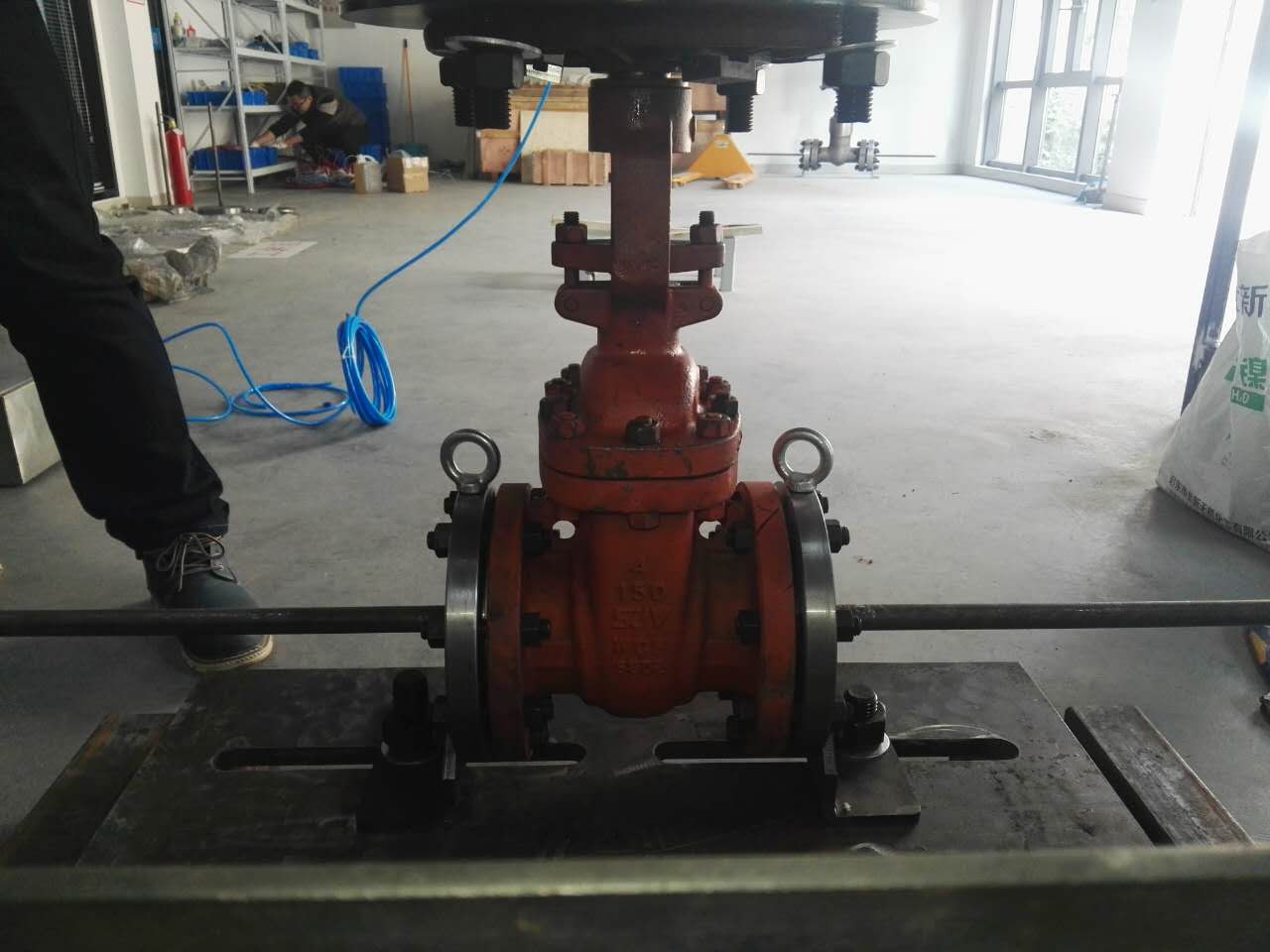
Leakage Test Installation Diagram

Related product
FAQ
Q1. What does API 622 "Type Testing of Process Valve Packing for Fugitive Emissions" cover?
A. It sets out a comparative test method for valve stem packing used in process production, where the concern is fugitive emissions - unwanted leakage of process fluid to atmosphere around the stem. The packing is exposed to temperature, pressure, thermal cycling, mechanical cycling and corrosion, and the resulting leakage is measured.
Q2. Is an API 622 result a pass/fail certification?
A. No. API 622 is a comparative type test: it ranks packings under identical conditions so users can select a lower-emitting design. The reported values - leakage, stem corrosion and material loss - are intended for comparison between candidate packings, not as a universal acceptance certificate.
Q3. What temperature range must the packing be suitable for?
A. The packing must be suitable for temperatures from −29 °C to 538 °C (−20 °F to 1000 °F). The hot fugitive-emissions cycle itself is run up to 260 °C, which is a test condition rather than the full service range.
Q4. What happens in the fugitive-emissions test?
A. A total of 1,500 mechanical cycles are performed, ramping from room temperature to 260 °C, while stem leakage is monitored throughout. The test result must not exceed 500 ppm.
Q5. What does the 500 ppm figure represent?
A. It is the maximum permitted leakage concentration during the hot fugitive-emissions run. Keeping emissions at or below this level demonstrates the packing's sealing tightness under combined mechanical and thermal cycling.
Q6. How is corrosion evaluated?
A. At ambient temperature, corrosion is assessed by 100X and 200X microscopic images of the samples, the percentage of corroded surface area of the stem/shaft, and the average and maximum depth of the corrosion pits. The high-temperature corrosion item is not specified in this test scope.
Q7. What is checked in the packing material testing?
A. Four parameters: weight loss, density, lubricant content and extractables. Together they show how the packing changes during the test - for example, loss of lubricant or binder - which helps explain any leakage or corrosion observed.
Q8. Which factors does the standard treat as drivers of fugitive emissions?
A. Temperature, pressure, thermal cycling, mechanical cycling and corrosion. The test combines these so the packing is judged under conditions that resemble process-valve service rather than a single static point.