

Appearance
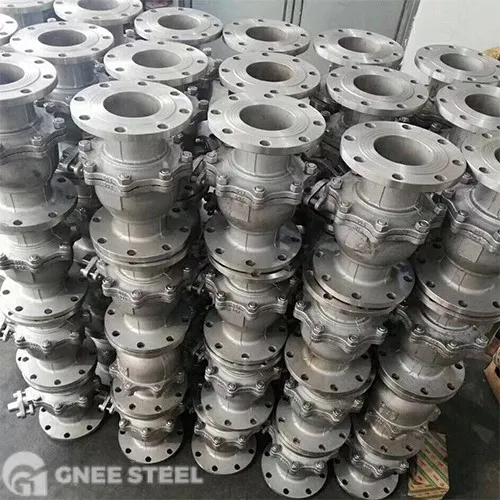
The surface of forgings is bright, because the metal is shaped under high pressure during the forging process, and the surface is denser and smoother; the surface of castings is rougher, and the surface of cast ball valves may have some slight unevenness during the cooling and solidification process.
Structural tightness
The structure of forged ball valves is tighter. The forging process can eliminate the cavities and impurities inside the metal, making the structure of forged ball valves more uniform and more compact. During the pouring process of cast ball valves, there may be some tiny defects such as pores, resulting in a relatively loose structure.
Price
Forged ball valves are usually more expensive. This is mainly because the manufacturing process of forged ball valves is relatively complicated, requiring heating of metal billets and shaping them with high-pressure mechanical pressure, which results in high equipment costs and energy consumption. Cast ball valves can be mass-produced, the molds are highly reusable, and the cost is relatively low.
Inspection procedures
The inspection procedures vary depending on the process. For cast ball valves, the main inspection is whether there are defects in the appearance, pores, slag inclusions, shrinkage and cracks inside, etc.
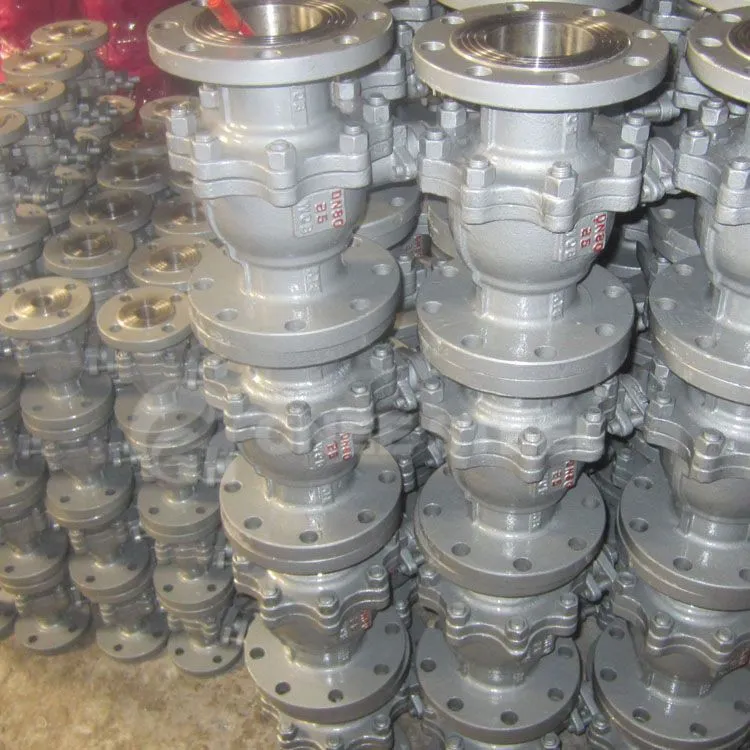
Since some unevenness may occur during the casting process, the dimensional accuracy and mechanical properties of the castings need to be tested. Forged ball valves have a compact structure and good mechanical properties, so the inspection focuses on dimensional accuracy, surface quality, and whether there are forging defects such as cracks. At the same time, the performance of forged ball valves under special working conditions such as high temperature and high pressure also needs to be strictly tested.