What is the difference between EPDM and PTFE butterfly valves?
As a key component in fluid control, the choice of valve material directly affects its performance and lifespan. Polytetrafluoroethylene (PTFE) and ethylene propylene diene monomer (EPDM) are two common and high-performance valve materials, each with unique characteristics and applicable scenarios. The differences between PTFE and EPDM valve materials are as follows:
PTFE is renowned for its excellent chemical stability, high-temperature resistance, and low-temperature resistance. Its extremely low coefficient of friction, excellent self-lubricating and non-adhesive properties allow PTFE valves to maintain smooth fluid transmission and reduce frictional losses. Furthermore, PTFE valves possess excellent corrosion resistance, resisting the erosion of various acids, alkalis, and organic solvents, thus finding wide application in the chemical, petroleum, and pharmaceutical industries.
However, PTFE also has some drawbacks. For example, its mechanical strength is relatively low, making it susceptible to damage from external forces. Additionally, PTFE may release harmful gases at high temperatures, thus requiring cautious use in certain specific applications.
In contrast, ethylene propylene diene monomer (EPDM) rubber is favored for its excellent resistance to aging, ozone, heat, and moisture. EPDM valves maintain stable performance even in harsh environments such as high temperature, high humidity, and strong ultraviolet radiation, making them widely used in outdoor applications such as pipelines and waterproofing layers. Furthermore, EPDM valves possess good insulation properties, making them suitable for applications with high electrical performance requirements.
However, EPDM valves are slightly less chemically stable than PTFE valves, exhibiting weaker resistance to certain strong acids and alkalis. Therefore, the selection of valve material requires comprehensive consideration based on the specific operating environment and fluid properties.
In conclusion, PTFE and EPDM valves each have their advantages and disadvantages in terms of performance and application areas. In practical applications, we need to select based on specific needs and conditions to fully leverage the advantages of different valve materials and achieve efficient and reliable fluid control.
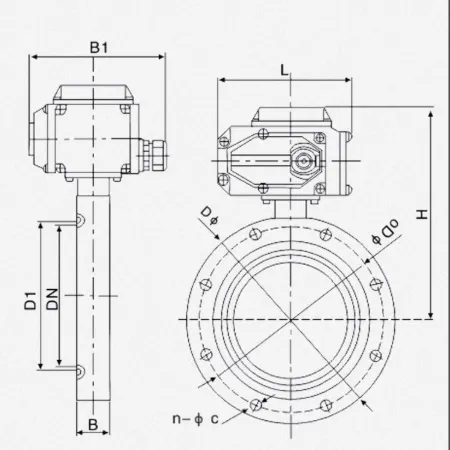
PTFE butterfly valves drawning