What is the difference between API 598 and ISO 5208?
API 598 is a widely used valve testing standard worldwide, applicable to various valve types, particularly isolation valves. It details the leakage rates and testing standards for both metal and soft-seal valve seats.
ISO 5208 is ISO's main valve testing standard, covering numerous valve types. It specifies 10 different levels of internal leakage and allows purchasers and manufacturers to determine acceptance criteria during the negotiation process.
1. Standard Nature and Scope
API 598: Developed by the American Petroleum Institute (API), primarily applicable to valves in the oil and gas industries, covering various types including gate valves, globe valves, and ball valves.
ISO 5208: Developed by the International Organization for Standardization (ISO), with a broader scope, including valves for various media such as water, steam, oil, and gas.
2. Test Media and Pressure Testing
API 598: Shell Test: Use water or air, pressurized to 1.5 times the maximum working pressure. The holding time depends on the valve size (e.g., DN≤100mm requires ≥60 seconds).
Seal Test: High-pressure seal test uses water or air (1.1 times the maximum working pressure). Low-pressure seal test uses air or inert gas (0.5–0.7 bar).
ISO 5208: Shell Test: The test medium is fresh water or light oil. The shell hydrostatic pressure test time is relatively long (e.g., valves with a nominal diameter of 20 mm and above require 30 minutes). Sealing Test: Routine pressure testing does not include low-pressure gas seal testing; it is only performed when specifically required by the user.
3. Test Duration and Leakage Standards
API 598: Shorter holding time for shell testing (e.g., 60 seconds for DN≤100mm).
Strict sealing requirements: zero leakage for liquid testing and leakage must meet standards for gas testing (e.g., ≤20 bubbles/minute for DN50 valves).
ISO 5208: Longer hydrostatic pressure test time for shell (e.g., 30 minutes for valves with a nominal diameter of 20mm and above).
Zero leakage is required for sealing tests, especially for resilient seat valves.
4. Application Scenarios
API 598: Applicable to industries with strict valve quality requirements, such as oil, natural gas, and chemical industries, ensuring valve reliability under extreme conditions such as high pressure and corrosion.
ISO 5208: Primarily used in long-distance pipeline systems and is the core standard for valves in long-distance oil and natural gas pipelines.
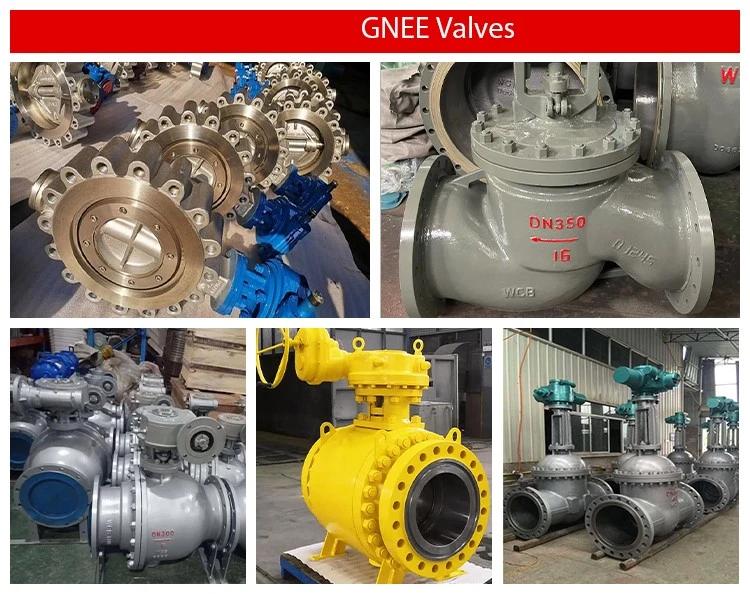
API 598 valve and ISO 5208 valve in stock