

What a Flange Type Dual Plate Check Valve Is
Two independent decisions are buried in that name, and most datasheets merge them. Flange type describes the end connection: the body carries its own flanges and is bolted to the pipe flanges. Dual plate describes the closure: two semicircular plates hinge on a pin across the bore and are pushed shut by a torsion spring. The two are not alternatives - a flange type body is available with a single plate, a swing disc or two plates, and the pairing in this page is the one buyers usually mean.
The product is a non-return valve in the strict sense: no stem, no packing gland, no actuator, no handwheel. Flow in the forward direction pushes the plates open against the spring; when flow stops, the spring and the plate geometry return them to the seat before reverse velocity develops. That absence of an operator is not a missing feature. It removes the three leak paths a gate or globe valve has, and it also means the specification must carry the whole duty - there is nothing on site to adjust.
Also written as a flanged dual plate check valve, a double flanged dual plate check valve, or a flanged non-return valve. All four names describe the API 594 Type A body described here. What they do not tell you is the class, the face-to-face length or the seat material, which is why a line item built only from the product name is incomplete.
Design Standard
| Basic Design | API 594 |
| Face to Face Dimension | ASME B16.10 |
| End Flange Dimension | ASME B16.5 |
| Pressure-temperature Rating | ASME B16.34 |
| Inspection and Test | API 598 |
Design Features
1. Body slot design to fit the hinge pin
2. Two independent torsion springs ensure quick valve closing
3. Uniteupted gasket surface for effective sealing
4. Light weight, compact design
5. Two independent seats to ensure consistent sealing even in uneven flow.
Flange Type Dual Plate Check Valve Drawing

Material of Construction
| Part No. | Part Name | Carbon Steel | Stainless Steel |
|---|---|---|---|
| 1 | Body | ASTM A216 WCB | ASTM A351 CF8M |
| 2 | Seat | Integral + HF* | Integral + HF* |
| 3 | Plate | ASTM A351 CF8M | ASTM A351 CF8M |
| 4 | Hinge Pin | ASTM A276 316 | ASTM A276 316 |
| 5 | Stop Pin Retainer | ASTM A216 WCB | ASTM A276 316 |
| 6 | Key | ASTM A276 316 | ASTM A276 316 |
| 7 | Washer | ASTM A276 316 | ASTM A276 316 |
| 8 | Nut | ASTM A276 316 | ASTM A276 316 |
| 9 | Stop Pin | ASTM A276 316 | ASTM A276 316 |
| 10 | Spring | INCONEL X‑750 | INCONEL X‑750 |
| 11 | Eye Bolt | Carbon Steel | Carbon Steel(galvanized) |
Dimension & Weight

Class 150
| Size | L | D1 | D2 | D3 | Approx Weight | ||||||
|---|---|---|---|---|---|---|---|---|---|---|---|
| DN | NPS | mm | in | mm | in | mm | in | mm | in | kg | lb |
| 50 | 2 | 60 | 2.38 | 150 | 5.91 | 48 | 1.89 | 68 | 2.68 | 8 | 17 |
| 80 | 3 | 73 | 2.88 | 190 | 7.48 | 67 | 2.64 | 88 | 3.46 | 12 | 27 |
| 100 | 4 | 73 | 2.88 | 230 | 9.06 | 92 | 3.62 | 116 | 4.57 | 16 | 36 |
| 150 | 6 | 98 | 3.88 | 280 | 11.02 | 140 | 5.51 | 168 | 6.61 | 25 | 55 |
| 200 | 8 | 127 | 5.00 | 345 | 13.50 | 183 | 7.20 | 214 | 8.43 | 42 | 94 |
| 250 | 10 | 146 | 5.75 | 405 | 16.02 | 224 | 8.82 | 264 | 10.39 | 62 | 137 |
| 300 | 12 | 181 | 7.12 | 485 | 19.09 | 270 | 10.63 | 308 | 12.13 | 100 | 220 |
| 350 | 14 | 184 | 7.25 | 535 | 21.06 | 304 | 11.97 | 344 | 13.54 | 123 | 272 |
| 400 | 16 | 191 | 7.52 | 595 | 23.50 | 358 | 14.09 | 402 | 15.83 | 164 | 362 |
| 450 | 18 | 203 | 7.99 | 635 | 25.00 | 405 | 15.94 | 452 | 17.80 | 211 | 466 |
| 500 | 20 | 219 | 8.62 | 700 | 27.56 | 456 | 17.95 | 502 | 19.76 | 255 | 561 |
| 600 | 24 | 222 | 8.75 | 815 | 32.09 | 558 | 21.97 | 608 | 23.94 | 348 | 767 |
Class 300
| Size | L | D1 | D2 | D3 | Approx Weight | ||||||
|---|---|---|---|---|---|---|---|---|---|---|---|
| DN | NPS | mm | in | mm | in | mm | in | mm | in | kg | lb |
| 50 | 2 | 60 | 2.38 | 165 | 6.50 | 48 | 1.89 | 68 | 2.68 | 9 | 21 |
| 80 | 3 | 73 | 2.88 | 210 | 8.25 | 67 | 2.64 | 88 | 3.46 | 16 | 35 |
| 100 | 4 | 73 | 2.88 | 255 | 10.04 | 92 | 3.62 | 116 | 4.57 | 23 | 51 |
| 150 | 6 | 98 | 3.88 | 320 | 12.50 | 140 | 5.51 | 168 | 6.61 | 39 | 86 |
| 200 | 8 | 127 | 5.00 | 380 | 14.96 | 183 | 7.20 | 214 | 8.43 | 61 | 133 |
| 250 | 10 | 146 | 5.75 | 445 | 17.52 | 222 | 8.74 | 264 | 10.39 | 93 | 205 |
| 300 | 12 | 181 | 7.12 | 520 | 20.47 | 270 | 10.63 | 308 | 12.13 | 142 | 313 |
| 350 | 14 | 222 | 8.75 | 585 | 23.03 | 304 | 11.97 | 344 | 13.54 | 206 | 454 |
| 400 | 16 | 232 | 9.12 | 650 | 25.50 | 356 | 14.02 | 402 | 15.83 | 279 | 615 |
| 450 | 18 | 264 | 10.38 | 710 | 27.95 | 405 | 15.94 | 452 | 17.80 | 337 | 742 |
| 500 | 20 | 292 | 11.50 | 775 | 30.51 | 456 | 17.95 | 502 | 19.76 | 442 | 975 |
| 600 | 24 | 318 | 12.52 | 915 | 36.02 | 558 | 21.97 | 608 | 23.94 | 635 | 1399 |
Class 600
| Size | L | D1 | D2 | D3 | Approx Weight | ||||||
|---|---|---|---|---|---|---|---|---|---|---|---|
| DN | NPS | mm | in | mm | in | mm | in | mm | in | kg | lb |
| 50 | 2 | 60 | 2.38 | 165 | 6.50 | 48 | 1.89 | 68 | 2.68 | 12 | 26 |
| 80 | 3 | 73 | 2.88 | 210 | 8.25 | 67 | 2.64 | 88 | 3.46 | 20 | 45 |
| 100 | 4 | 79 | 3.12 | 275 | 10.75 | 92 | 3.62 | 116 | 4.57 | 33 | 72 |
| 150 | 6 | 136 | 5.38 | 355 | 13.98 | 140 | 5.51 | 168 | 6.61 | 64 | 141 |
| 200 | 8 | 165 | 6.50 | 420 | 16.54 | 180 | 7.09 | 214 | 8.43 | 105 | 232 |
| 250 | 10 | 213 | 8.38 | 510 | 20.08 | 220 | 8.66 | 264 | 10.39 | 179 | 394 |
| 300 | 12 | 229 | 9.02 | 560 | 22.05 | 266 | 10.47 | 311 | 12.24 | 233 | 513 |
| 350 | 14 | 273 | 10.75 | 605 | 23.75 | 310 | 12.20 | 346 | 13.62 | 339 | 747 |
| 400 | 16 | 305 | 12.01 | 685 | 26.97 | 366 | 14.41 | 402 | 15.83 | 510 | 1125 |
| 450 | 18 | 362 | 14.25 | 745 | 29.25 | 415 | 16.34 | 464 | 17.83 | 589 | 1300 |
| 500 | 20 | 368 | 14.49 | 815 | 32.09 | 460 | 18.11 | 506 | 19.92 | 749 | 1650 |
| 600 | 24 | 438 | 17.25 | 940 | 37.01 | 556 | 21.89 | 602 | 23.70 | 1187 | 2617 |
Double-Flanged vs Wafer vs Lug
The three body patterns share the same short face-to-face length and the same plate assembly, so this is not a question about flow. It is a question about bolting, support and how the valve comes out.
| Decision factor | Wafer type dual plate check valve | Lug type check valve | Double flanged |
|---|---|---|---|
| Mounting | Clamped between two flanges by long through-studs | Bolted to one flange through lug holes, drilled clearance by default | Own flanges bolted to each pipe flange |
| Weight and cost | Lightest, about 30–40% lighter and 20–30% cheaper | Between the two | Heaviest, needs support at large sizes |
| Removal on site | All studs out, flanges spread, body lifted out | Released from the bolted side | Isolation plus a gap or spool piece; standard bolts only |
| Dead-end or end-of-line | Not suitable, needs both flanges for support | Suits single-flange bolting when holes are tapped | Can terminate in a blind flange |
| Where it wins | Tight racks, retrofits, small and medium bore | One side must come apart for inspection | Large bore, lined pipe, high vibration, high class where long studs are impractical |
One correction to the marketing: a double-flanged body is not removable without disturbing the piping. It still needs the line isolated and a gap or spool piece, because the flanges are bolted to pipe flanges on both sides. What it does give is a bolted joint that can be made up with standard bolts, a rigid body that carries pipe load better than a clamped wafer, and a face that can be blanked off. On lined pipe the argument is stronger still, because a long through-stud bearing on a lined flange face distorts the lining at the gasket.
Why Source from GNEE
Casting, machining and testing under one purchase order. Bodies come from nominated foundries with PMI on arrival, then are machined, assembled and tested in house, so the heat number on the body matches the report.
One dossier, two standards. The API 594 design file and the API 598 test record are issued together with the material certificate, which is what third-party inspectors actually ask for.
Both face-to-face philosophies quoted. Type A short pattern for new spools, Type B length where a swing check valve is being replaced in a live plant.
Export packing. Flange faces protected with wooden or plastic discs, plates blocked against movement, cases marked for the line item; shipped from Tianjin and other ports in China.
OEM and ODM. Buyer drawings, nameplate data, stencil marking and flange drilling to ASME or EN, run on the same line, with the report traceable to your brand.
Commercial terms. MOQ 1 piece, 7 days from stock and 20–25 days production, 18-month warranty, quotation within 24 hours. Figures are confirmed per order.
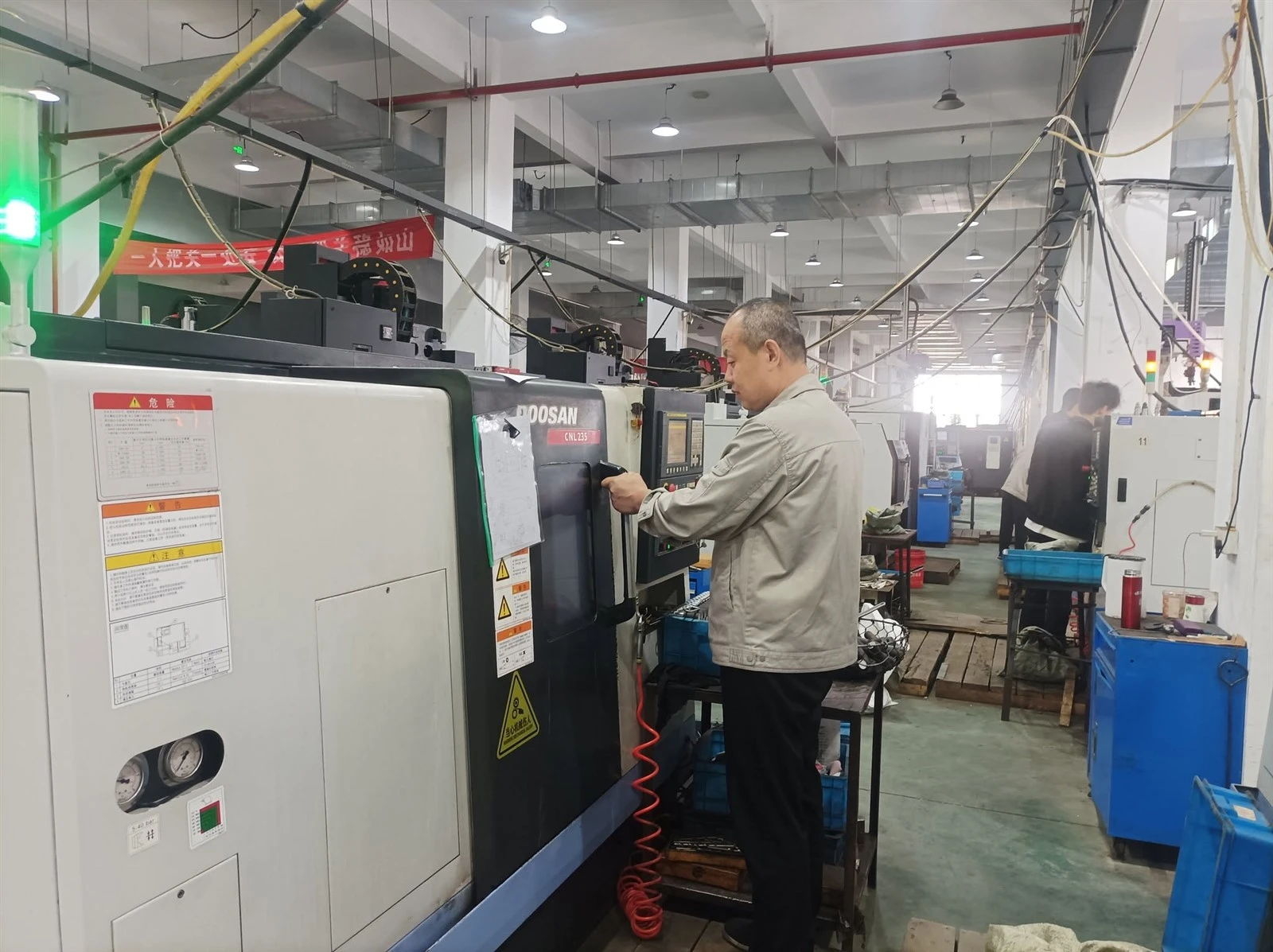
Valve factory



Request a Quote
Send these nine items and the quotation comes back with the face-to-face length already checked against your gap. The three that are most often missing are marked.
Size and pressure class - NPS × Class
Design standard and type - API 594 Type A, or Type B length for a swing replacement
Face-to-face of the gap you have (most often missing; a spool is cheaper than a wrong valve)
Body, plate and seat material - WCB, LCC, CF8M, CF3M or duplex
Seat type - metal or soft, with the chlorine or hydrocarbon note
Medium, design temperature and design pressure
Flange standard and facing - ASME B16.5 or B16.47, RF or RTJ, plus bolt-hole tapping if required
Certificate and inspection - EN 10204 3.1 or 3.2, NACE MR0175, fire-safe
Quantity, destination port and required delivery date
Send the list to our valve engineering team and we will confirm the specification, then quote with lead time, usually within 24 hours.
FAQ
What is the difference between a flange type and a wafer type dual plate check valve?
Both are API 594 Type A short-pattern bodies with two spring-loaded plates, and both have the same face-to-face length. The difference is the ends: a wafer body has no flanges and is clamped between two pipe flanges by long through-studs, while a flange type body carries its own flanges and is bolted to each pipe flange with standard bolts. The flanged version is roughly 30 to 40 percent heavier, costs about 20 to 30 percent more, and is chosen for large bore, lined pipe, high vibration and high pressure class where long studs are a problem.
What face-to-face dimension does a flanged dual plate check valve have?
Dimensions follow API 594 Table 3 for the double-flanged body. In Class 150 the length is 60 mm at NPS 2, 73 mm at NPS 4, 127 mm at NPS 8, 181 mm at NPS 12 and 222 mm at NPS 24. Class 150 and Class 300 share the same length up to NPS 12, so one gap accepts either class. Tolerance follows ASME B16.10 up to NPS 24 and is 3 mm above NPS 24.
Is a dual plate check valve API 594 Type A or Type B?
Every dual plate check valve is Type A. Type A is the short pattern dimensioned by API 594 itself and may be wafer, lug or double flanged with a single plate or dual plates. Type B is the long pattern taken from ASME B16.10 with a bolted cover and a swing or pivoting disc only, so a dual plate body cannot be Type B.
What is the maximum size and pressure class?
API 594 Type A covers NPS 2 to 48 up to Class 300, NPS 2 to 42 in Class 600, NPS 2 to 24 in Class 900 and 1500, and NPS 2 to 12 in Class 2500. NPS 3 1/2 and NPS 5 are non-preferred sizes. Above Class 600 the nut space between flanges usually rules out the double-flanged body, so wafer or lug is ordered instead.
Can a flanged dual plate check valve be installed vertically?
Yes for vertical installation with upward flow. Horizontal installation with the hinge pin at the top is the normal position. Vertical downflow is not acceptable, because the plates then rely on the spring alone to close against a column of liquid, and the valve will chatter and fail to seat.
What seat leakage rate applies - is it Class VI per API 598?
There is no Class VI in API 598. API 598 is an inspection and test standard that fixes the shell test at 1.5 times the cold working pressure and the seat test at 1.1 times, with drops per minute or bubbles per minute acceptance by size. Class IV, V and VI belong to ANSI/FCI 70-2, which covers control valves. For a check valve the correct statement is ISO 5208 Rate A for a soft seat, which is zero leakage, and ISO 5208 Rate D for a metal seat, which allows a defined leakage.
What is the cracking pressure?
About 0.3 psi (0.02 bar) with the standard torsion spring, rising to roughly 1 psi at NPS 2 and falling to about 0.2 psi at NPS 12. Heavier springs close faster and hold tighter against pulsating flow, but they raise cracking pressure and pressure drop, so spring torque is a selection item rather than a fixed feature.
Can a dual plate check valve pass a pig?
No. The centre hinge pin and the two half plates sit in the bore, so a pigging disc cannot pass. Where the line must be pigged, specify a full-bore swing check or a piggable non-return design and accept the longer face-to-face. This is also why the design document for a dual plate valve is API 594 and not API 6D, which carries pipeline pigging obligations.
Which body material should I choose for seawater?
Duplex stainless such as UNS S31803 or S32205 with 2205 plates and a 316 spring, or super duplex for chlorinated and warm seawater. CF8M is workable at ambient temperature but pits above roughly 60 C in stagnant chloride service. Carbon steel with an internal coating is the low-cost option only where the coating is inspected and the line never runs stagnant.
Is a metal seat or a soft seat better?
Soft seat for tight shutoff on clean fluid up to about 100 C with NBR, 120 C with EPDM or 200 C with PTFE, giving ISO 5208 Rate A. Metal seat for steam, high temperature, abrasive or fire-safe duty, giving ISO 5208 Rate D with a lapped 13Cr or Stellite face. Metal seat does not mean drip-tight, and a soft seat above its temperature limit fails suddenly rather than gradually.
Can it be used at the end of a line or in dead-end service?
A double-flanged body can terminate in a blind flange because it holds pressure through its own flanges. A wafer body cannot, since it depends on both mating flanges for support. Neither is a substitute for a lug body when the requirement is to unbolt one side while the other stays pressurised.
What is the minimum order quantity and lead time?
One piece for stock sizes from NPS 2 to NPS 12 in WCB and CF8M. Lead time is 7 days from stock and 20 to 25 days for made-to-order sizes, classes and materials, plus 3 to 5 days for third-party inspection when EN 10204 3.2 is required.
What documents come with the shipment?
Material test report to EN 10204 3.1 with heat numbers traceable to the body and plates, shell and seat test report to API 598, dimensional and face-to-face report, seat leakage record to ISO 5208, hardness report where NACE MR0175 applies, and a packing list with case numbers. EN 10204 3.2 with SGS, TUV, BV or DNV witnessing is available when it is written into the purchase order.
Can you manufacture to our drawing with our brand?
Yes. Cast or forged body patterns, flange drilling to ASME or EN, plate and seat material, spring torque, nameplate data and stencil marking can all follow a buyer drawing. OEM and ODM orders run on the same line as our own work, and the test report stays traceable to your brand and to the heat number.