


A stainless steel globe valve is an instrument used to stop and/or control the flow of fluids in a pipeline. It works by halting the flow of a fluid through a pipe. The name globe comes about due to the valve's cylindrical shape. There are usually two halves of the body within the globe valve that are separated by an internal baffle.
Ease of Operation
Stainless steel globe valves are easy to operate because they only require a quarter turn to open or close. A handle or a lever attached to the stem opens or closes the valve this makes them ideal for applications where quick operation is necessary, such as in emergency situations.
Maintainability
Operating and maintaining a stainless steel globe valve is easier than other types of valves. Stainless steel globe valves have a simple design and few moving parts, which makes them less likely to break down.
Leakage Rate
Stainless steel globe valves have a lower leakage rate than other types of valves. This is because the disk in a stainless steel globe valve seats more snugly against the port, which creates a tighter seal.
Versatility
Unlike other types of valves, stainless steel globe valves are adaptable and can function in a wider range of settings. This is due to the different sizes, materials, and pressure ratings that they come in.
Clog Resistance
Stainless steel globe valves are less likely to clog than other types of valves. This is because the disk in a stainless steel globe valve can be easily removed for cleaning.
Long Service Life
They have a long service life of up to 20 years with proper maintenance. They can withstand high pressures and temperatures.
Contamination Resistant
Their design makes them resistant to contamination and fouling. They control fluid flow in a variety of applications, such as regulating pressure, managing temperature, and controlling the level of a liquid.
They are also cost-effective and can save you money in the long run.

Size Range:1/2″-24″(15mm-600mm)
Testing Standard: API 598,EN12266-1,ISO 5208
Certifications: CE,EAC,SIL3,API 6FA,ISO 19001,API 600

Forged Steel Y Type Globe Valve
Size: 2"~ 48" / DN50~DN200
Pressure class: PN10 ~PN40
Temperature: -29° C ~ 425° C

Pressure Seal Bonnet Globe Valves
Size: 2" to 24"(DN 50 to DN 600)
Pressure Rating: ASME 150#,300#,600#,900#,1500#, 2500#
End Connection: Flanged FF, RF, RTJ, BW Ends
Operator : Hand wheel / Gear Operated

API 600 Pressure Seal Globe Valves
Size: DN50~DN600
Working Pressure: 1.0~10Mpa
Connection Ends: Flange
Working Temp: -29ºC~230ºC

Size: DN50-DN600
Nominal Pressure: PN10/PN16
Working Temperature: -10°C~120°C

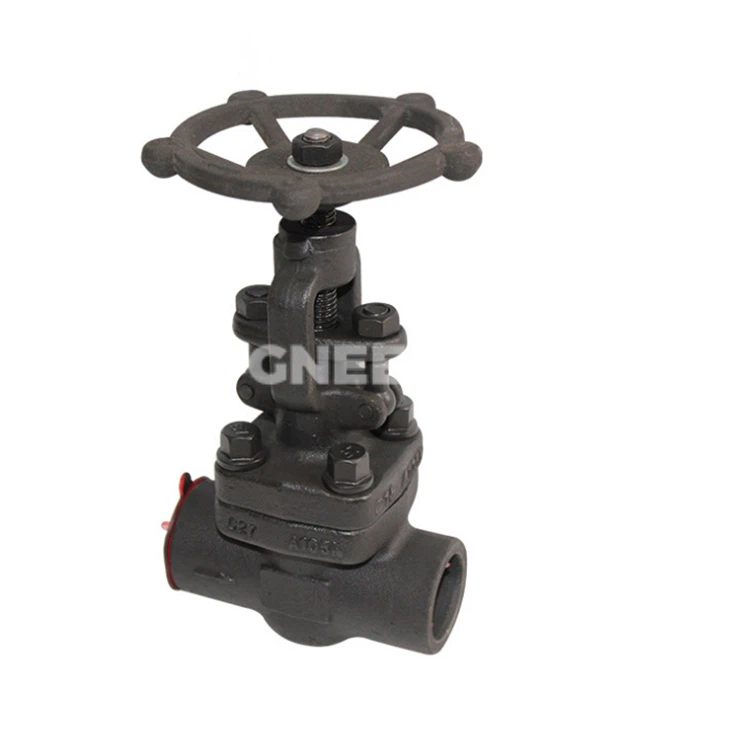
API 602 Forged Steel Globe Valve
Nominal size: 1/2"~2"
Nominal pressure: Class150~2500
Standard: ASME B16.34, API 602
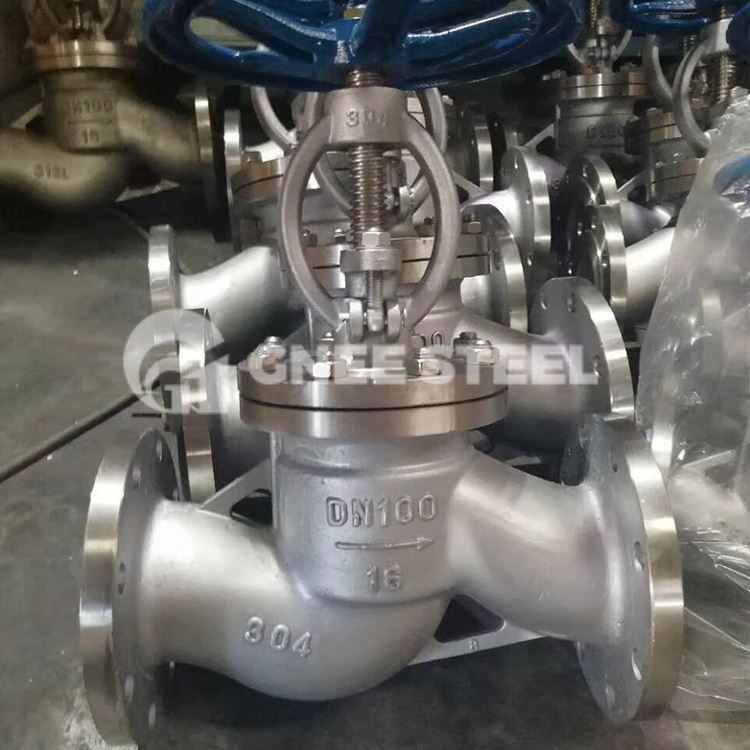
Size: DN25-DN2000
Face to Face: API609, BS5155, DIN3202, ISO5752, JIS F7480, API594 and so on
Connection Flange: PN6/PN10/PN16/PN25/JIS5K/10K/16K/150LB/AS2129 Table D/E

Size: 1/2''~48'' ( DN15~DN1200)
Thread standard: ISO9001 /CE/TS/API607/SIL
Port: Full Port
Quality Assurance
GNEE valves are manufactured in accordance with international quality standards, giving customers peace of mind and guaranteeing optimum performance. Our valves comply with renowned standards such as BS, ANSI, AWWA, API, JIS, DIN, GOST and more.
Experienced team
An experienced team can help ensure that products are produced efficiently and effectively, minimizing errors and delays.
Customer-focused
Customers want to ensure that the products or services they purchase are of high quality and will meet their needs. A company that consistently delivers high-quality products or services will have a good reputation and is likely to attract repeat customers.
Stainless Steel Globe Valve Installation & Maintenance Instructions
Stainless steel globe valves are used mainly for steam or other media where a throttling service is required. The seat design gives an advantage for doing this by utilising its globe shape as it comes down to connect with the seat effectively cutting the flow gradually up until it seals completely on the seat face. This however does cause a larger pressure drop than say a gate valve and causes turbulence in the line.
Stainless steel globe valve selection the size, pressure class and material selection of all stainless steel globe valves are the responsibility of the user or system designer. Process systems may offer suggestions in this area, however the selection process is solely the responsibility of the end user or plant operator.
Installation stainless steel globe valve
Stainless steel globe valves are unidirectional whereby they are only designed to take the flow in one direction, under the disc. There is an arrow of direction cast into the valve body but can easily be checked by looking into one end of the valve and see whether you are looking at the under side of the seat or above the seat. It is recommended that the valve be mounted vertically only whereby the handwheel operation will be at the top of the valve. This ensures that no premature wear or damage will occur to the valve. The main installation points are below
Remove any packing or debris from the valve
Ensure the inside of the valve is free from water or moisture (can expand when subject to heat on startup)
Ensure the valve is supported (can be damaged by long runs of unsupported pipe clamping in on the valve)
Ensure you have room to operate the valve
Do a complete dry cycle of the valve from closed to open then back again
Tighten flange bolts gradually in a diagonal pattern
Gradually raise the internal pressure to ensure the flanges and bolts are installed correctly and the valve is sealed
Raise internal pressure to operating levels and check again.
Operation stainless steel globe valve operation
Our stainless steel globe valves are clockwise close (anti-clockwise to open).
Do not overtighten on the seat to close. If media is still leaking through the seat may be damaged
Even though they are great for controlling flow try not to leave the disc in the middle of the flow for extended periods of time. This will cause the seat to wear prematurely and in steam applications where continuous throttling is less than 10% open, excessive vibration, noise and wire draw across the seat causing a leak path which at times may not be visual to the naked eye.
Do not exceed 100% of the maximum pressure rating of the valve at any time during its operation. Pressure spikes or fluctuations beyond the valve's pressure rating are solely the responsibility of the operator and can cause considerable harm or even death if not adhered to.
Maintenance stainless steel globe valve
A regular maintenance and inspection schedule will ensure you get the best life and operation out of your stainless steel globe valve. Some things to consider are below (not exhaustive).
Regular inspection of the valve. Pay particular attention to the gland to ensure there is no obvious wear or the valve is leaking
If the valve is not operated regularly it is a good idea to cycle the valve to ensure the disc is not bedding itself in the seat
Grease the crossbar by using a grease gun on the grease nipple provided. Lubricate the spindle if needed
Slightly tighten the gland bolts if the packing needs adjustment. Do not overtighten otherwise the gland will be damaged. If it is still leaking through here the gland packing may need to be replaced
Please be aware if the valve is to be removed from the line for inspection to ensure that there is no pressure in the line and it has cooled to room temperature. Once it is removed a complete inspection can be carried out including inspection of the globe (disc) and the seat. Any scale build up at the bottom of the valve can be removed.
Choosing The Right Stainless Steel Globe Valve: Selection Tips And Considerations
Application and fluid compatibility
One of the first considerations when selecting a stainless steel globe valve is the application and the type of fluid it will be handling. Different applications require different materials and designs to ensure optimal performance and durability. Consider factors such as the fluid's temperature, pressure, corrosiveness, and viscosity to choose the right materials and valve design. Consult with experienced stainless steel globe valve manufacturers and suppliers who can provide guidance on material compatibility.
Valve size and pressure rating
The valve size and pressure rating must match your system's requirements. Oversized or undersized stainless steel globe valves can lead to inefficiencies, increased energy consumption, or even system failures. Refer to industry standards and consult with experts to determine the appropriate valve size and pressure rating for your application.
Flow control
Stainless steel globe valves are versatile when it comes to flow control. They can be used for on-off service or for throttling and regulating flow. If precise flow control is required, consider selecting a valve with a design optimized for throttling applications. Keep in mind that improper flow control can lead to excessive wear and reduced valve lifespan.
Materials of construction
Stainless steel globe valves are available in various materials, including stainless steel, brass, bronze, cast iron, and more. The choice of material depends on factors like fluid compatibility, temperature, and corrosion resistance. For example, stainless steel is suitable for corrosive fluids, while bronze is often chosen for seawater applications. Consult with stainless steel globe valve manufacturers and suppliers to determine the best material for your needs.
Bonnet type
Stainless steel globe valves have two common bonnet types: Bolted bonnet and pressure seal bonnet. The choice between the two depends on the pressure and temperature requirements of your system. Pressure seal bonnets are suitable for high-pressure applications, while bolted bonnets are generally used for lower-pressure systems.
Sealing mechanism
Stainless steel globe valves can have different sealing mechanisms, including globe, plug, and needle. The choice of sealing mechanism affects the valve's ability to provide a tight shut-off and control the flow accurately. Consider the level of leakage tolerance acceptable for your application and choose the appropriate sealing mechanism accordingly.
Actuation
Stainless steel globe valves can be operated manually, pneumatically, electrically, or hydraulically. The choice of actuation depends on factors like the valve's size, accessibility, and the need for remote control. For large or hard-to-reach valves, automated actuation systems may be necessary for convenience and efficiency.
Maintenance and accessibility
Stainless steel globe valves, like all mechanical equipment, require regular maintenance. Consider ease of access for maintenance when selecting a valve. Valves with readily accessible components and spare parts availability can reduce downtime and maintenance costs.
Compliance with standards
Ensure that the selected stainless steel globe valve complies with relevant industry standards and certifications. Compliance with standards ensures the valve's performance, safety, and reliability in your application.
What Is The Working Principle Of Stainless Steel Globe Valve
Stainless steel globe valve, also known as the stop valve, is a type of stop valve. Stainless steel stop valves can be divided into manual stainless steel stop valves, pneumatic stainless steel stop valves, and electric stainless steel stop valves.
Stainless steel globe valves are popular because of their low friction between the sealing surfaces during opening and closing, durability, low opening height, easy production, and convenient maintenance. They are also the most widely used valves. In addition, stainless steel stop valves are not only suitable for medium and low pressures, but also for high pressures. The closing principle is to rely on the valve stem pressure to make the valve disc sealing surface fit tightly with the valve seat sealing surface to prevent the flow of the medium.
The structural length of the stainless steel globe valve is larger than that of the gate valve, and the fluid resistance is also large. Therefore, if it is operated for a long time, the sealing reliability is not very strong.
How is a Stainless Steel Globe Valve made?
Stainless Steel Globe Valves are mostly cast due to the complex shape of the flow passages. However, they can also be made from wrought materials for specific applications.
The disc and seat rings that Stainless Steel Globe Valves are cast with are mostly made with bronze. On the other hand, steel-Stainless Steel Globe Valves with temperatures exceeding 350°C have their trim made of stainless steel. This is crucial in providing resistance to seizing and galling. It is vital to heat-treat the valve's mating faces to derive differential hardness values. Manufacturing Stainless Steel Globe Valves also involves using other trim materials like cobalt-based alloys.
It is also vital to grind the seating surface to achieve full-bearing surface contact during valve closure. An extended disk locknut maintains alignment for lower pressure classes, with disc guides cast into the valve body for higher pressures. Usually, the disc face and seat ring galling are prevented by the disc turning freely on the stem.
Application of Stainless Steel Globe Valve
Oil & gas
Oil & gas wells with their production facilities are heavy users of stainless steel globe valves among other type of valves. Even though oil gushers discharging into air hundreds of feet are not likely to occur any more, still there are some of the potential pressure of underground oil & gas this is why the well heads are placed around the top of a well's long string side of the pipe.
These are the type of assemblies, with their combination of stainless steel globe valves with their special fittings, which are designed to handle 10,000 psi or more pressures. Rarely is it found on the wells dug on the land these days, since the maximum higher pressures are often found in the deep wells that are present offshore.
The process equipment to pre-treat the oil or gas needs a specific number of stainless steel globe valves that are basically rated for their tensile strength. Since a high corrosive fluid like hydrogen sulphide is present in the raw petroleum stream causing the formation of an element which also known as sour gas, can be a lethal one. Hence in order to fend of the sour gas, special materials processing techniques and manufacturing techniques must be followed.
Chemical
The chemical industry is one of the biggest users of valves of all types & materials. From small plants to big petrochemical structures that are usually located on the gulf coast, these valves are a huge part of piping systems of the chemical process. Most of the applications in chemical processes are of low pressure compared to many power generation and refining processes.
The strong seated stainless steel globe valve, which is zero-leakage shutoff since it is a perfect fit for many chemical plant applications. Hence in these scenarios it is better to use the valves which are designed with the thinner walls and the lighter weights, that are basically the gate or stainless steel globe valves of choice. Controlling of some chemical elements are also better accomplished with the stainless steel globe valves. For some of the tougher and highly corrosive applications, more protective stainless steel globe valves is much needed.
Company Introduction
Established in 2008 with a registered capital of RMB 5 million, GNEE Group is a leading international supplier specialising in the manufacture and distribution of high quality valves and fittings for a wide range of industrial applications including water supply, sewage systems, oil and gas, and marine treatment. At present, the company has a total investment of 30 million yuan, a plant area of more than 35,000 square metres and more than 200 employees. With a clear strategic framework, a complete governance structure, a solid management foundation, and strong financial and human resources, the company is becoming the most professional international valve supply chain company in the Central Plains.
GNEE valves are manufactured in accordance with international quality standards, giving customers peace of mind and guaranteeing optimum performance. Our valves comply with renowned standards such as BS, ANSI, AWWA, API, JIS, DIN, GOST and more. We go to great lengths to ensure that our products meet the highest industry benchmarks for superior quality and durability. With high quality valves and a professional service process, GNEE valves have been exported to more than 150 countries around the world, and every year more than 50 customers visit the GNEE Group and order more than 30,000 pieces of valves.


Our Certificates
Official certification, professional after sales service


Asked Questions
Hot Tags: stainless steel globe valve, China stainless steel globe valve manufacturers, suppliers, factory, globe valve for platinum oxide manufacturing, globe valve for geothermal power systems, globe valve for tubular materials, globe valve for silver oxide manufacturing, globe valve for regulation, globe valve working principle