

The AWWA standard is a standard specification designated by the American Water Engineers Association. AWWA C500 and AWWA C515 are two specifications for gate valves. AWWA C515 uses a flexible soft seal (such as rubber), uses ductile iron, does not allow leakage, has a thinner wall thickness but a better structure; AWWA C500 is a metal hard seal, can use gray cast iron, allows a certain amount of leakage, has a thicker wall thickness but is relatively outdated in technology.
AWWA C515 vs. C500: The Definitive Engineering Guide to Modern Gate Valve Standards.
AWWA C515 vs. AWWA C500 Comparison Table
| Parameter | AWWA C515 | AWWA C500 | Remarks |
| Full Title | Reduced-Wall, Resilient-Seated Gate Valves | Metal-Seated Gate Valves | C515 is the modern standard; C500 is for traditional metal-to-metal valves. |
| Sealing Type | Resilient-Seated: The wedge is fully encapsulated in rubber (EPDM/NBR). | Metal-Seated: Sealing is achieved via bronze or copper alloy rings on the wedge and body. | C515 provides "bubble-tight" shut-off. |
| Wall Thickness | Reduced-Wall: Thinner walls allowed due to the high strength of Ductile Iron. | Standard-Wall: Thicker walls, traditionally designed for Gray Iron or Ductile Iron. | C515 valves are lighter and easier to install. |
| Material | Primarily Ductile Iron. | Cast Iron (Gray Iron) or Ductile Iron. | Ductile Iron offers better impact resistance. |
| Size Range | 3 in. to 48 in. (80 mm to 1,200 mm) | 3 in. to 72 in. (80 mm to 1,800 mm) | C500 covers larger diameters for heavy infrastructure. |
| Sealing Mechanism | Rubber-to-Metal contact. | Metal-to-Metal contact (Double-disc or solid wedge). | C500 often requires a "bypass" for high-pressure differentials. |
| Pressure Class | Typically 200 psi to 250 psi. | Varies by size (typically 150 psi to 250 psi). | High-pressure variants are available for both. |
| Flow Resistance | Clear Port: No bottom pocket; debris does not obstruct the seal. | Bottom Pocket: Often has a groove at the bottom where sediment can collect. | C515 is better for systems with sediment/debris. |
| Maintenance | Low maintenance; wedge is easily replaceable. | Requires periodic "lapping" or cleaning of metal seats. | C515 is generally more cost-effective over its lifecycle. |
| Primary Application | Modern potable water and wastewater systems. | Heavy-duty industrial or traditional large-scale water mains. | C515 is the current industry preference for most projects. |
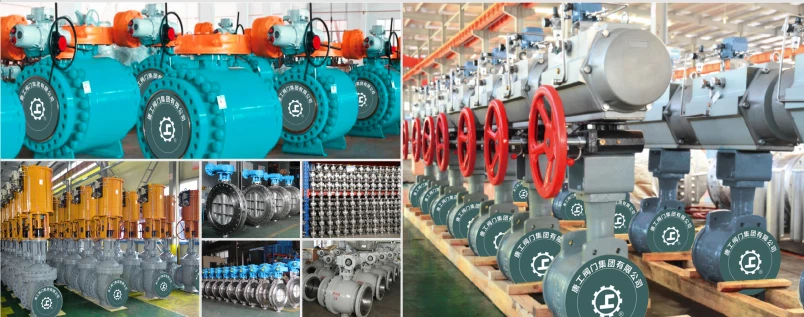
GNEE AWWA Valve factory
FAQ
What is the pressure rating for AWWA C515?
The rated working pressure of the valve shall be 250 psi.
Can gate valves be repaired?
The most common fix for leaking gate valves involves replacing the worn or damaged seals and packing. This can restore the valve's ability to seal properly and stop leaks.
Why do gate valves leak?
If there are leaks around the valve stem or body, there are several potential reasons. It's possible that you installed the wrong size valve or that the valve has a production defect. It's also possible that the valve has sustained damage due to wear and tear or another issue.
What are the common problems with gate valves?
The most common causes of gate valve failure are wear and the seat's and wedge's corrosion. The inner areas of a valve wear off over time, and corrosion can make the wedge stick in the open or closed position. When the handwheel is overused, the stem leading to the wedge breaks off and renders the valve useless.