


The wafer butterfly valve often just has two or four non-threaded holes to hold it in place and align it with two flanges that are mated. When using a wafer valve, a lengthy bolt or threaded rod that goes straight through the valve's two flanges is employed. By pulling the flanges together, the valve is held in place.
There are quite a number of advantages that come with wafer butterfly valves. First, they are very small and light in weight, hence can be easily fixed in narrow spaces without additional gaskets. Moreover, they are not cost-prohibitive as they are usually cheaper compared to other types of valves which goes a long way towards lowering costs. Thirdly, their simple quarter-turn mechanism enables them to be quickly opened or closed so they become very convenient during emergencies necessitating rapid flow control.
In addition to this, wafer butterfly valves have negligible pressure drop across the valve due to their streamlined nature; Thus maintaining efficiency within your system.
Installation is also a snap – Just slide between flanges and go ahead making it time-saving and cash-saving on labor.
Besides being convenient for different industries and applications namely HVAC systems, water treatment plants etc., these wafers can be installed in various kinds of industry. The simplicity of the design is such that there is relatively little possibility for something going wrong or requiring repair since it has fewer moving elements than most other types of valves.

Working Pressure: 2000PSI~20000PSI
Nominal Bore: 1.13/16"~11" (46mm~230mm)
Working Medium: oil,natural gas,mud and gas containing H2S,CO2

Rubber Lined Wafer Type Butterfly Valve
Size: DN40-DN1200
Operating Temperature: -20ºC~+180ºC
Applicable medium: Clear water and neutral liquid
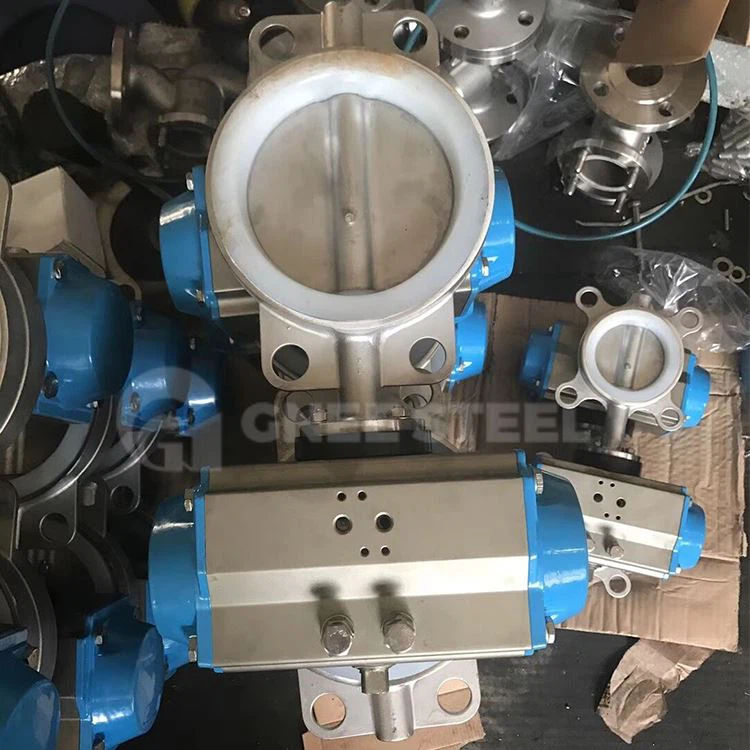
Nominal Diameter: 2"-80"(DN50~DN2000)
Pressure Range: Class150, PN6, PN10, PN16
Connection Type: Flange, Wafer, Lug Connection
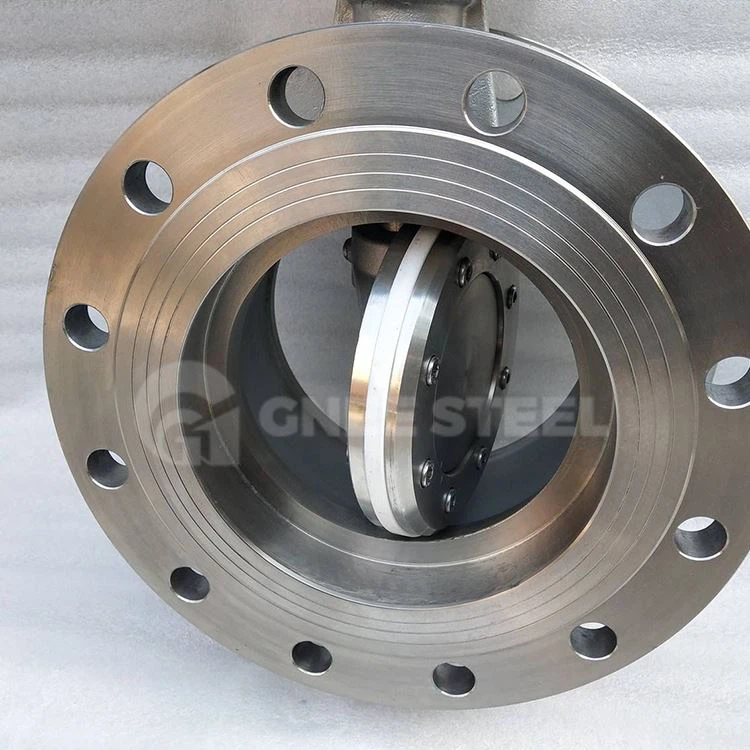
Carbon Steel Triple Offset Butterfly Valve
Size: 2" up to 80"(DN50 up to DN2000)
Pressure Rating: ASME 150#,300#,600#
Materials: Carbon Steel
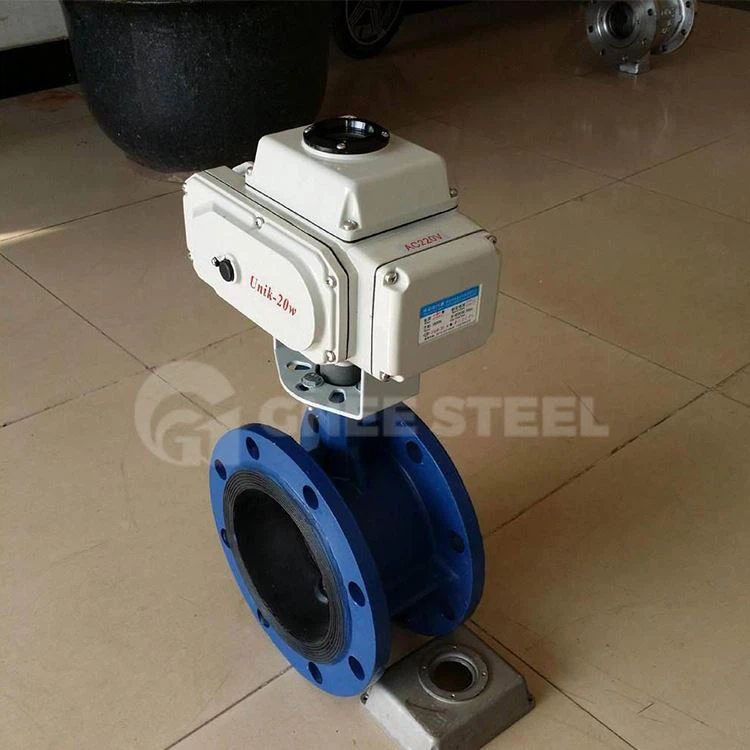
Nominal Diameter: DN50-300
Pressure Range: 0-1.0MPa
Medium Temp.: -20°C~+120°C
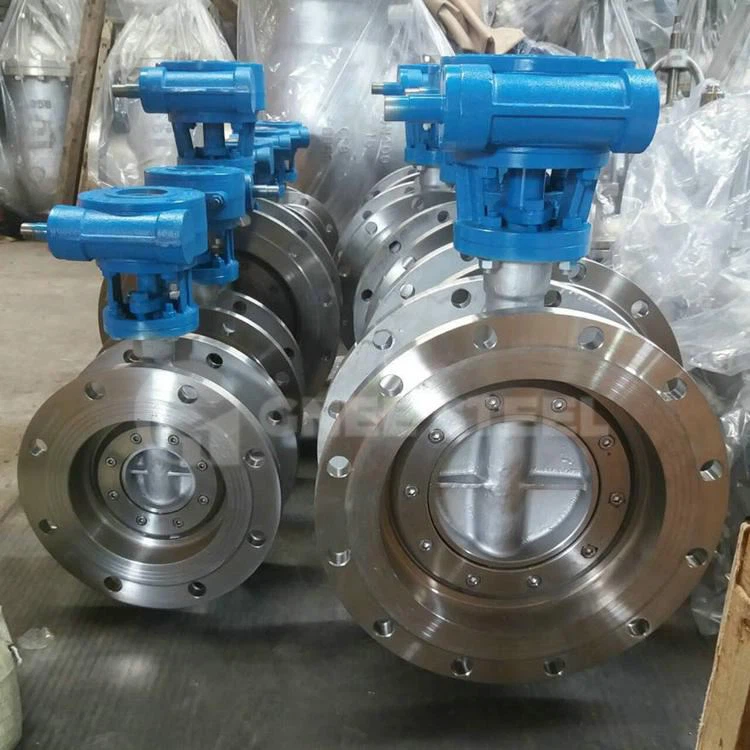
Concentric Double Flanged Butterfly Valve
Face to Face: API609/ISO5752 series 13/14 Flange: JIS5K/10K/16K, PN6/PN10/PN16, 150LB Mounting Flange: ISO5211

Carbon Steel Double Offset Butterfly Valve
Size: 3"(DN80)-96"(DN2400)
Pressure: 150LB-600LB / PN16- PN100
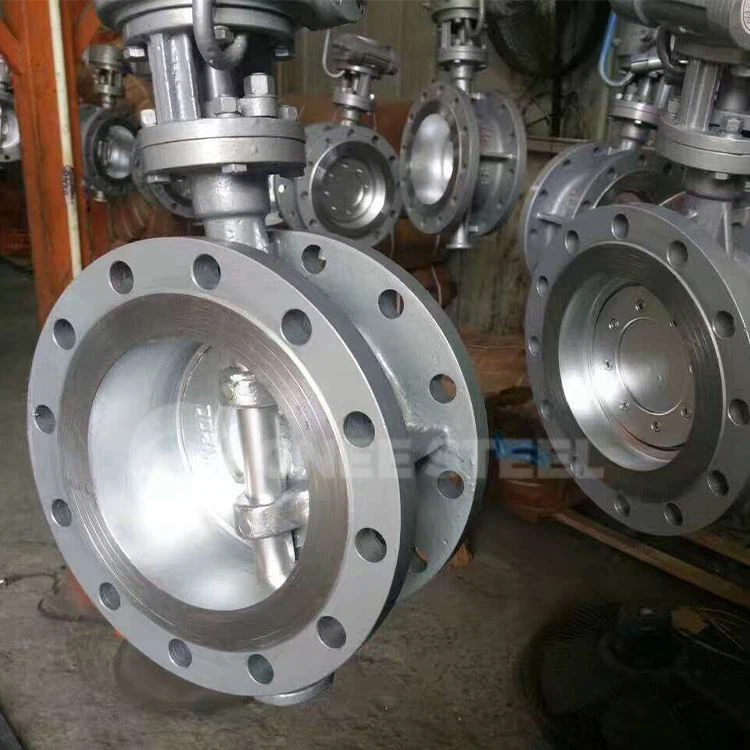
Cast Steel Centric Butterfly Valves
Size: DN40-DN2000
Face to Face: API609, BS5155, DIN3202, ISO5752
Connection Flange: PN6/PN10/PN16/PN25/JIS5K/10K/16K/150LB/AS2129 Table D/E

PTFE Lined Stainless Steel Butterfly Valve
Nominal Diameter: DN50-600
Pressure Range: 0-1.0MPa
Medium Temp.: -20°C~+120°C
Quality Assurance
GNEE valves are manufactured in accordance with international quality standards, giving customers peace of mind and guaranteeing optimum performance. Our valves comply with renowned standards such as BS, ANSI, AWWA, API, JIS, DIN, GOST and more.
Experienced team
An experienced team can help ensure that products are produced efficiently and effectively, minimizing errors and delays.
Customer-focused
Customers want to ensure that the products or services they purchase are of high quality and will meet their needs. A company that consistently delivers high-quality products or services will have a good reputation and is likely to attract repeat customers.
Application of Wafer Butterfly Valve
HVAC Systems
In heating, ventilation and air conditioning (HVAC) systems, wafer butterfly valves are used to control the flow of air or water through ducts and pipes. They are fast acting, compact in design and cost effective in HVAC applications.
Water Treatment
Wafer butterfly valves are also used for controlling water flow in pipe lines, pumping stations and treatment processes within a water treatment plant. When it comes to handling clean water, waste water as well as different chemicals utilized during treatment; they serve the purpose correctly.
Chemical Processing
Control of corrosive fluids, acids, bases and other chemicals within chemical processing industries is done by use of wafer butterfly valves. They are made from materials that do not corrode or can withstand corrosion bringing about resistant qualities against aggressive substances.
General Industrial Applications
These valves have widespread application in many industries including manufacturing plants, power generation facilities pulp & paper mills and food processing plants among others. They perform the functions of fluid regulation, isolation or control in diverse processes.
Oil and Gas Industry
Nonetheless in low pressure low temperature applications such as pipeline distribution systems for oil & gas industry, refineries & petrochemical plants; wafer butterfly valves find some application even though not so usual at high pressures or high temperatures.
Fire Protection Systems
For fire protection purposes sometimes you would get a wafer butterfly valve controlling the flow for water or fire fighting agents into sprinkler systems/standpipes/fire hydrants.
Generally speaking wafer butterfly valves are versatile components used widely in fluid handling systems where quick action operation is needed along with compact configuration which must be cost efficient too. Their adaptability coupled with ease of installation makes them popular particularly in multiple industrial and commercial circumstances.
How Does Wafer Butterfly Valve Work
Open Position
In an open position, disc of the valve rotates parallel to the direction of flow. It then allows minimal obstacles to be in the way of fluids passing through the valve. The fluid's flow keeps this disc in place.
Closed Position
For closing, the disc is rotated at right angles to its path i.e., opposite to flowing fluid. Consequently, total obstructions of flow are created and tight seal between disc and valve seat formed. Also, when closed, there's minimal or no leakages due to the sealing surface of this seat.
Operation
An actuator connects a central shaft or stem with disc rotation. In terms of automation and manual functioning, an actuator can either be automated (use electricity power, hydraulics, pneumatic) or non-automated (hand levers or gear operator). When activated by an actuator it turns around shaft that will rotate a disk as required.
Flow Control
The main purpose for which wafer butterfly valves are designed is for on/off use (either fully open or fully closed); nevertheless they can also be used for some extent as flow regulators. Depending on their ability to rotate at certain degrees; they have varying effects upon different degrees of stability that exist within them consequently controlling rate at which liquid flows through them up-to some degree. However; globe valves are better than these types of valves because they are able to do better throttling applications.
What Is The Difference Between A Wafer Butterfly Valve And Lug Style Butterfly Valve?
Comparison between wafer vs lug style butterfly valve
When it comes to butterfly valves, there are two main types: Wafer and lug style. Wafer butterfly valves are lighter and more compact, making them a popular choice for smaller pipelines where space is at a premium. They are also easier to install and maintain due to their simple design. Lug style butterfly valves, on the other hand, offer more stability and are better suited for larger pipelines and higher pressure applications. They are called "lug" valves because they have threaded inserts that allow them to be bolted onto the pipeline, providing extra support and preventing movement under pressure. Ultimately, the choice between wafer and lug style butterfly valves will depend on the specific needs of the application, including factors like pipeline size, pressure, and flow rates.
Key differences between wafer vs lug style butterfly valve
Wafer and lug style butterfly valves may look similar, but there are several key differences between the two. One of the main differences is in the way they are installed. Wafer butterfly valves are sandwiched between two flanges and held in place with bolts, while lug style butterfly valves have threaded inserts that allow them to be bolted directly onto the pipeline, making them more secure. Lug style butterfly valves are also generally larger and heavier than wafer butterfly valves, making them better suited for high-pressure applications. They also tend to be more expensive due to their added size and complexity. Ultimately, the choice between wafer and lug style butterfly valves will depend on the specific needs of the application, including factors like pipeline size, pressure, and flow rates.
Factors to consider when selecting between wafer vs lug style butterfly valve
When selecting between wafer and lug style butterfly valves, there are several factors to consider. One of the most important is the size of the pipeline. Wafer butterfly valves are generally lighter and more compact, making them a good choice for smaller pipelines where space is at a premium. Lug style butterfly valves, on the other hand, provide more stability and support, making them better suited for larger pipelines and higher pressure applications. The type of fluid being transported is also an important consideration, as certain fluids may require a particular type of valve material or design. Other factors to consider include the flow rate, pressure, temperature, and the overall system requirements. Ultimately, the selection between wafer and lug style butterfly valves will depend on the specific needs of the application and should be made in consultation with a qualified engineer or valve specialist.
Common Faults and Solutions for Wafer Butterfly Valves
The problem of gas leakage caused by wafer butterfly valve and its solution
After a long period of use, the wafer type electric butterfly valve is prone to wear of the sealing ring of the valve core, damage to the valve stem and valve seat, resulting in gas leakage in the valve, slow valve movement or abnormal reversing and other faults.
At this time, the sealing ring, valve stem and valve seat of the wafer butterfly valve should be replaced, or the wafer butterfly valve should be replaced with a new one.
Wafer butterfly valve cannot change direction or change direction slowly
The wafer-type electric butterfly valve cannot change direction or the direction-changing action is slow, which is generally caused by poor lubrication of the wafer-type butterfly valve, stuck or damaged spring, oil or impurities stuck on the sliding part, etc.
In this regard, you should first check whether the lubricator of the wafer butterfly valve is working normally; whether the viscosity of the lubricating oil is appropriate. If necessary, replace the lubricating oil, clean the sliding part of the wafer butterfly valve, or replace the spring of the wafer butterfly valve and wafer type electric butterfly valve.
The solution to the failure of the solenoid pilot valve of the wafer butterfly valve
If the inlet and exhaust holes of the electromagnetic pilot valve of the wafer butterfly valve are blocked by sludge and other debris, the seal is not tight, the movable iron core is stuck, and the circuit is faulty, etc., the wafer butterfly valve can not be reversed normally.
For the first three cases, the oil sludge and impurities on the wafer butterfly valve pilot valve and movable iron core should be cleaned, and the wafer butterfly valve circuit failure is generally divided into two types: control circuit failure and electromagnetic coil failure.
Before checking the circuit fault, you should turn the manual knob of the wafer butterfly valve a few times to see if the wafer butterfly valve can change direction normally under the rated air pressure. If it can change direction normally, it is a wafer butterfly valve. There is a problem with the circuit.
During the inspection, the voltage of the electromagnetic coil of the wafer butterfly valve can be measured with a meter to see whether it has reached the rated voltage. If the voltage is too low, further checks should be made to control the power supply in the wafer butterfly valve circuit and the associated travel switch circuit.
If the wafer type electric butterfly valve cannot change direction normally under the rated voltage, check whether the joint (plug) of the wafer type butterfly valve electromagnetic coil is loose or not in good contact.
The detection method is to unplug the plug and measure the resistance of the coil. If the resistance is too large or too small, it means that the electromagnetic coil of the wafer butterfly valve is damaged, and the wafer butterfly valve should be replaced.
Company Introduction
Established in 2008 with a registered capital of RMB 5 million, GNEE Group is a leading international supplier specialising in the manufacture and distribution of high quality valves and fittings for a wide range of industrial applications including water supply, sewage systems, oil and gas, and marine treatment. At present, the company has a total investment of 30 million yuan, a plant area of more than 35,000 square metres and more than 200 employees. With a clear strategic framework, a complete governance structure, a solid management foundation, and strong financial and human resources, the company is becoming the most professional international valve supply chain company in the Central Plains.
GNEE valves are manufactured in accordance with international quality standards, giving customers peace of mind and guaranteeing optimum performance. Our valves comply with renowned standards such as BS, ANSI, AWWA, API, JIS, DIN, GOST and more. We go to great lengths to ensure that our products meet the highest industry benchmarks for superior quality and durability. With high quality valves and a professional service process, GNEE valves have been exported to more than 150 countries around the world, and every year more than 50 customers visit the GNEE Group and order more than 30,000 pieces of valves.


Our Certificates
Official certification, professional after sales service


Asked Questions
Hot Tags: wafer butterfly valve, China wafer butterfly valve manufacturers, suppliers, factory, pneumatic control butterfly valve, check valve butterfly type, High Performance Butterfly Valves, Triple Eccentric Butterfly Valve, calibration of butterfly valve, import butterfly valves