



Products Description
Double block and bleed valves are designed to replace the complex multiple valve connections found in traditional pipelines. Reduce system leakage and quickly realize discharge and shutdown functions.
Double block and bleed valves replace existing conventional techniques used by pipeline engineers to create dual stop and bleed configurations in pipelines. Traditionally, to implement a dual shut-off and bleed system, engineers would install two standard isolation valves and a separate facility to bleed the cavity in between.
In a refinery environment, where space is often at a premium, this approach requires the installation of additional valve units as well as "T" fittings to allow for chamber venting, more than doubling the space required compared to a single valve system. This increase in size often makes installation unfeasible, especially if multiple valves along the line need to be upgraded.
Specification Table
|
Sizes |
API 6D / 6DSS: 1/2" through 24" |
|
Pressure Rating |
ANSI Class: 150 - 4500 |
|
End Connections |
ANSI Flanges: ANSI B16.5/ ANSI B16.47 (Series A or B) |
|
Temperature Limits |
From -253°C to 650°C (from -423°F to 1200°F) |
|
Applicable Standards |
Carbon Steel (CS) Low Temp. CS Low Alloy Steel (LAS) Martensitic SS Austenitic SS Duplex SS Super Duplex SS Ni Alloys Cu Alloys Ti Alloys Co Alloys Aluminium / Bronze |
What is the difference between DIB and DBB?
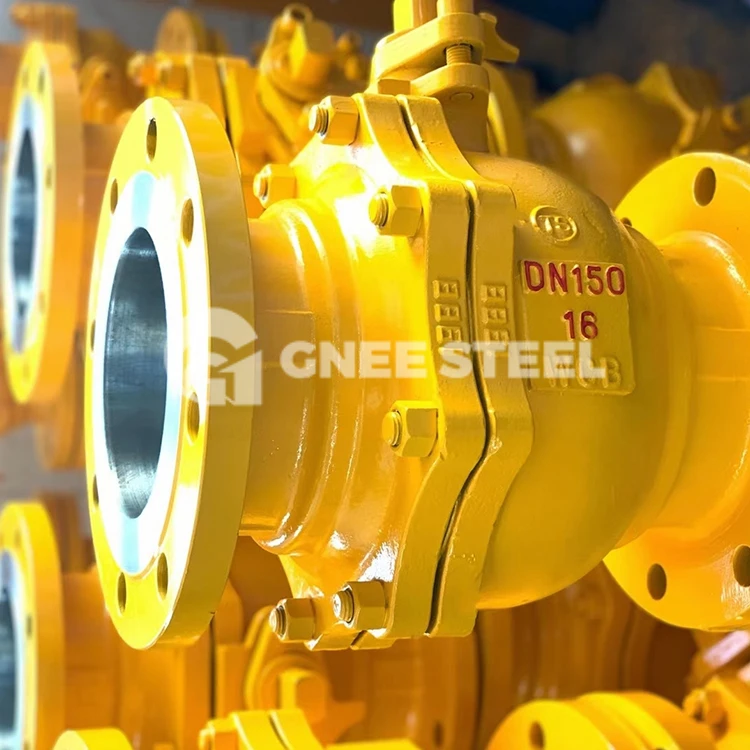
DBB valves usually have two one-way self-relieving valve seats. These seats do not rely on external mechanisms for pressure relief. In contrast, DIB valves use one or two two-way valve seats. This valve provides double pressure isolation at both ends of the valve, but does not provide relief of body cavity pressure through the valve seat. DIB valves require an external pressure relief system to relieve pressure build-up.

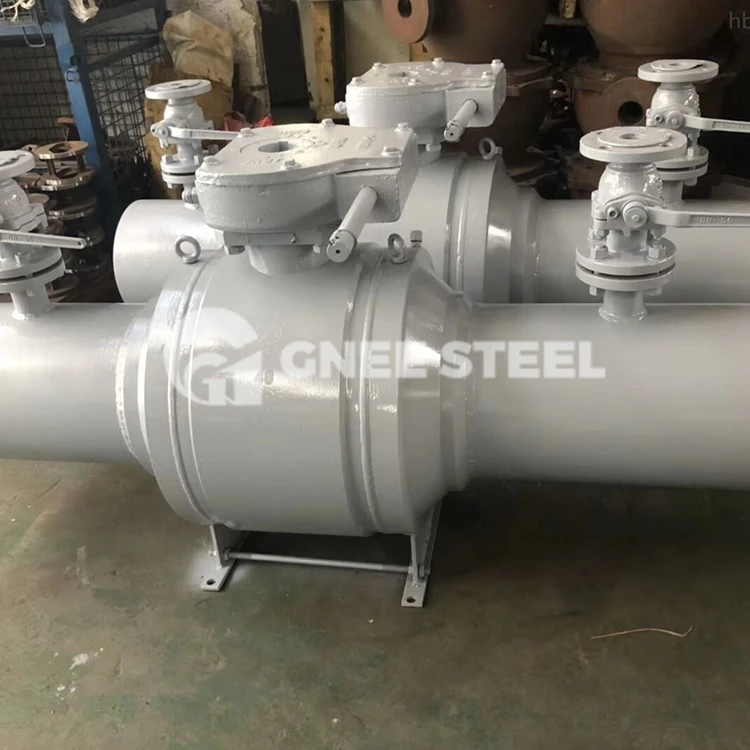
Both valves provide isolation in the upstream and downstream directions, even under high pressure or temperature conditions. Isolation is important when a leaking valve can have serious consequences. Once the fluid is isolated, a drain mechanism can drain the area between two valves or two valve seat surfaces. This is important for maintenance and integrity checks where leaks can be monitored.
GNEE Team Show


GNEE Customer

Hot Tags: double block & bleed ball valve, China double block & bleed ball valve manufacturers, suppliers, factory, ball valve types, ball valve retail, ball valve seals, cryo ball valve, Cryogenic valve, domestic ball valve