


Gnee steel group is a supply chain integrated enterprise including steel plate, coil, profile, outdoor landscape design and processing. Founded in 2008, with 5 million RMB registered capital, Gnee has made impressive progress and development in steel market with Gnee People more than 15 years hard fighting. At present, the total investment amount reaches 30 million RMB, workshop area more than 35000㎡, with over 200 employees. Gnee is becoming the most professional international steel supply chain company in China central plains with explicit strategic framework, integrated governance structure, firm management foundation, abundant fund and human power.
Why Choose Us?
Our products
GNEE Group specializing in the manufacture and distribution of high quality valves and fittings for a wide range of industrial applications including water supply, sewage systems, oil and gas, and marine treatment.
Sales market
GNEE valves have been exported to more than 150 countries around the world, and every year more than 50 customers visit the GNEE Group and order more than 30,000 pieces of valves.
Our team
Established in 2008 with a registered capital of RMB 5 million, GNEE Group At present, the company has a total investment of 30 million yuan, a plant area of more than 35,000 square meters and more than 200 employees.
Customer service
GNEE Group always puts product quality and customer needs first, and strives to provide better services to each of our customers. We follow the latest standards and focus on management, technology and process innovation. With a mature sales service system, GNEE Group insists on providing one-stop service to every customer.

Working Pressure: 2000PSI~20000PSI
Nominal Bore: 1.13/16"~11" (46mm~230mm)
Working Medium: oil,natural gas,mud and gas containing H2S,CO2

Rubber Lined Wafer Type Butterfly Valve
Size: DN40-DN1200
Operating Temperature: -20ºC~+180ºC
Applicable medium: Clear water and neutral liquid
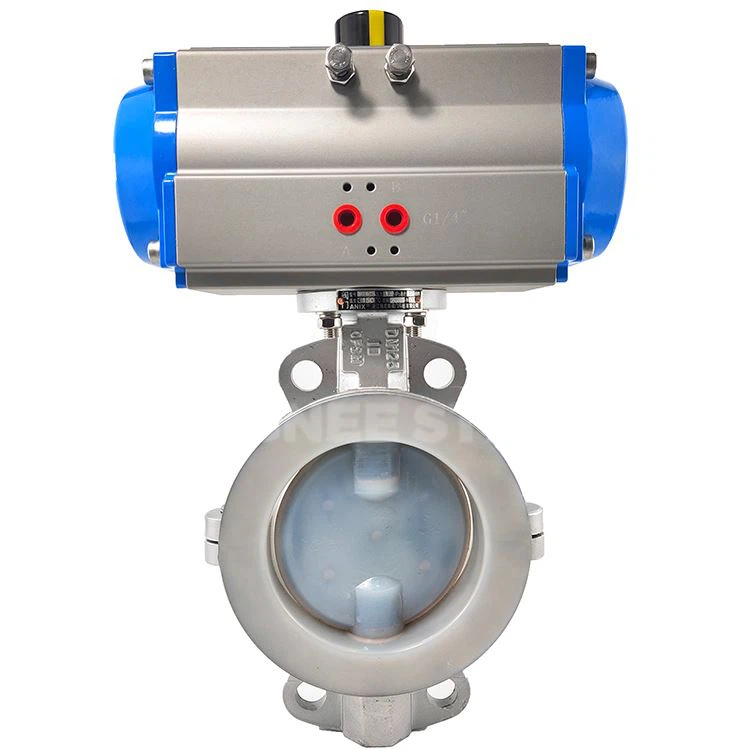
Wafer Type Lined Butterfly Valve
Nominal Diameter: 2"-80"(DN50~DN2000)
Pressure Range: Class150 , PN6 , PN10 , PN16
Connection Type: Flange ,Wafer , Lug Connection
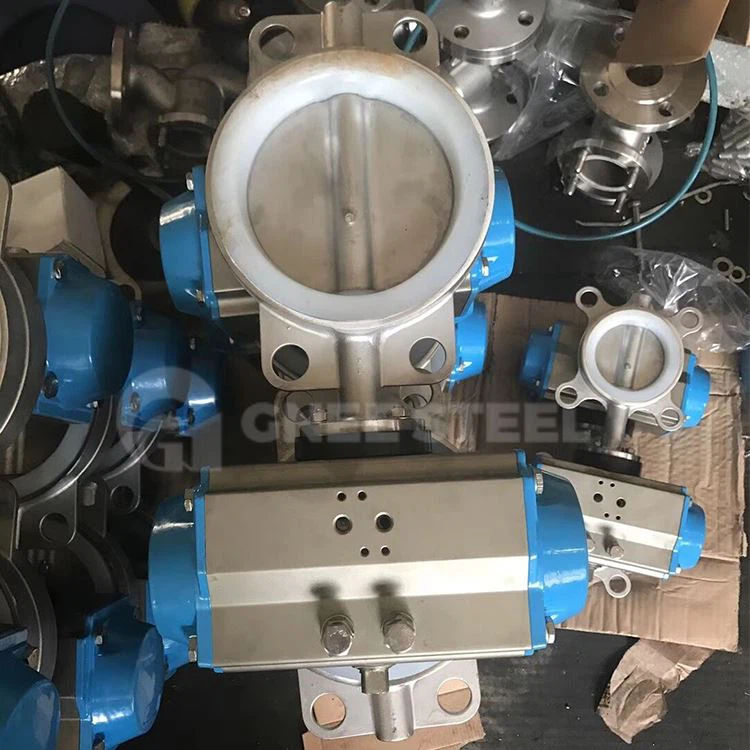
Nominal Diameter: 2"-80"(DN50~DN2000)
Pressure Range: Class150, PN6, PN10, PN16
Connection Type: Flange, Wafer, Lug Connection
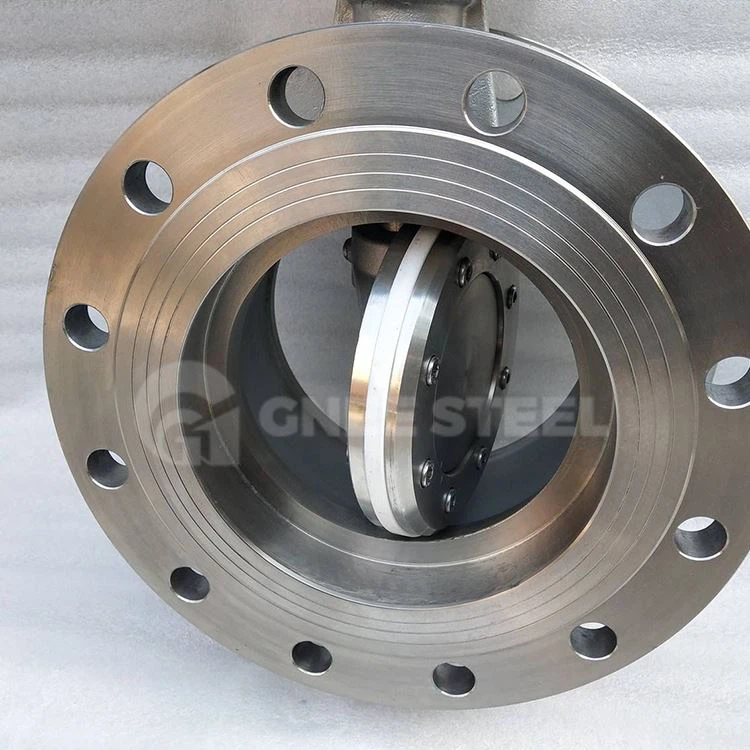
Carbon Steel Triple Offset Butterfly Valve
Size: 2" up to 80"(DN50 up to DN2000)
Pressure Rating: ASME 150#,300#,600#
Materials: Carbon Steel
End Connection: Wafer,Lugged, Flanged RF, RTJ, FF
Operator: Lever, Gear Operated
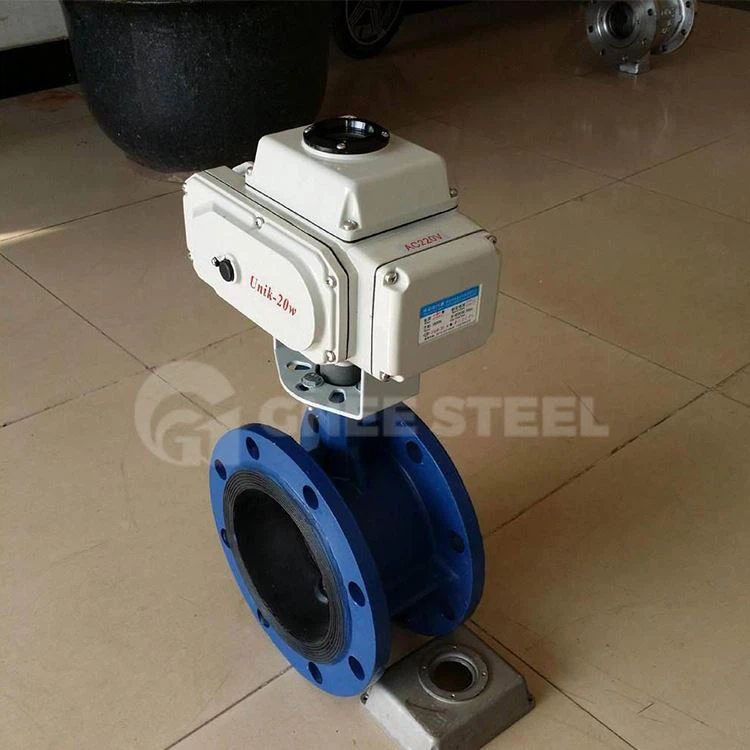
Nominal Diameter: DN50-300
Pressure Range: 0-1.0MPa
Medium Temp.: -20°C~+120°C
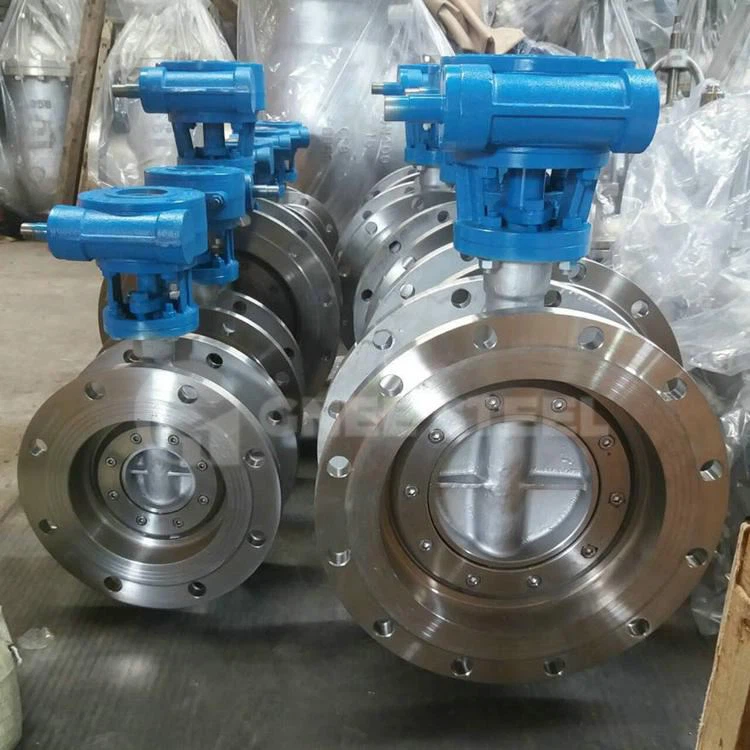
Concentric Double Flanged Butterfly Valve
Face to Face: API609/ISO5752 series 13/14 Flange: JIS5K/10K/16K, PN6/PN10/PN16, 150LB Mounting Flange: ISO5211

Carbon Steel Double Offset Butterfly Valve
Size: 3"(DN80)-96"(DN2400)
Pressure: 150LB-600LB / PN16- PN100
Material: WCB, WCC, WC6, WC9, C5, C12, C12A, LCB, LCC, LC1, LC3, CF8, CF8M, CF3, CF3M, CF8C
Medium: Water, oil, gas, steam
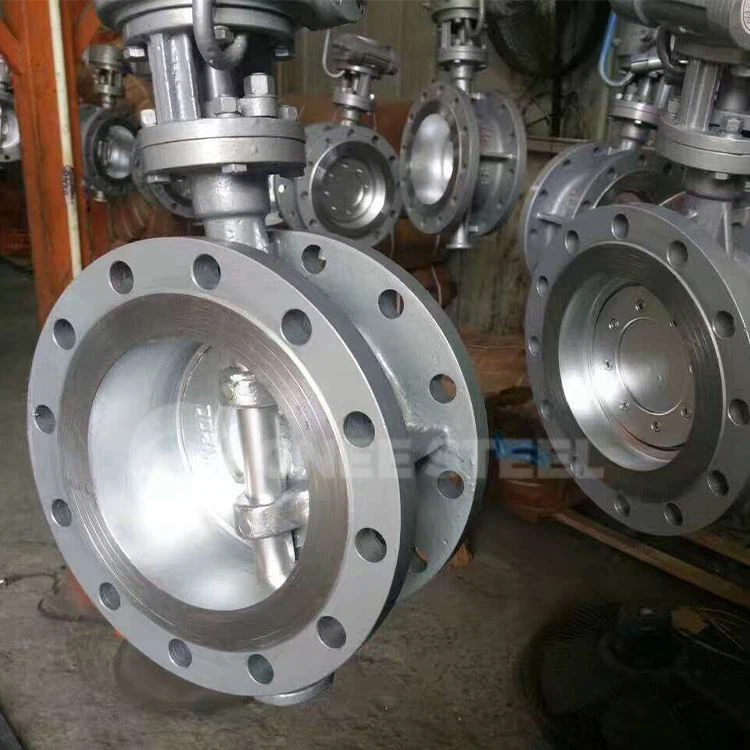
Cast Steel Centric Butterfly Valves
Size: DN40-DN2000
Face to Face: API609, BS5155, DIN3202, ISO5752
Connection Flange: PN6/PN10/PN16/PN25/JIS5K/10K/16K/150LB/AS2129 Table D/E
Butterfly check valves, also known as dual-plate check valves or swing check valves, are a specific type of valve in the larger category of non-return or check valves. They play a crucial role in many fluid systems by preventing backflow, which is the undesirable reversal of the flow of fluid.
The 'butterfly' in the name comes from the design of the valve, which typically consists of two semi-circular plates or 'discs'. These plates are hinged down the middle and mounted within the pipeline. When fluid flows in the forward direction, it pushes the two semi-circular plates open, allowing the fluid to pass. When the flow stops or attempts to reverse, the pressure drops, causing the two semi-circular plates to swing back together, effectively blocking the pipe and stopping the fluid from flowing backward. This mechanism operates automatically, driven by the dynamics of the fluid flow itself.
Benefits of Butterfly Check Valve
1.Operate automatically without using a valve actuator or handwheel.
2.Durable since they can be used for a long period without being replaced. Also, these valves can be repaired which enhances service life.
3.Efficient since they have low-pressure drop unlike other valves like globe valve.
4.These valves are free from fluid leakage.
5.They do not allow reverse fluid flow.
6.Butterfly check valves can maintain working pressure.
7.These valves use spring to close fluid flow and thus they can be installed in vertical, oblique, or horizontal orientation.
8.Can prevent water hammer effects.
9.Free from fluid leakage.
10.Short travel distance to open and close thus making them fast in operation.
11.These valves can be used in both low and high pressure and temperature applications.
Application of Butterfly Check Valve
Water dams
In water dam systems, where precise fluid control is essential, the butterfly check valve guarantees that fluid flows only in the intended direction, contributing to dam efficiency and safety.
Municipal engineering
Municipal engineering projects benefit from the reliability of the valve, ensuring that municipal systems operate smoothly with no unwanted reverse fluid flow.
Pump stations (outlet)
At pump stations, especially at outlet points, the valve plays a crucial role in preventing backflow, safeguarding pumps, and maintaining efficient fluid movement.
Hydroelectrical power plants
In hydroelectrical power plants, where continuous and precise fluid control is imperative, this valve ensures that fluid flows in the intended direction, enhancing the overall performance of the power generation process.
Valve body: The main outer structure of the valve, housing internal components. It connects the valve to the external operating mechanism that drives the disc and to the plumbing system.
Disc: Also known as the "butterfly," This disc controls flow by pivoting perpendicular to the flow direction.
Shaft: The rod that connects the actuator to the disc, facilitating its rotational movement.
Seat: The sealing surface where the disc makes contact to prevent leakage.
Actuator: Mechanism responsible for operating the valve (manual, electric, pneumatic, or hydraulic).
Maintenance of valves involves the lubrication of mechanical components, inspection and repair of actuators. Valves with requirements for regular lubrication contain fittings from where grease is applied. Sufficient lithium-based grease should be applied at recommended intervals to minimize rusting and corrosion.
Inspection of the actuators at regular intervals to identify any signs of wear or loose electrical, pneumatic or hydraulic connections that may affect valve operation is also important.
In addition, users should clean all parts of the butterfly valve using a silicon-based lubricant. The valve seats should be inspected for any signs of wear and replaced whenever necessary. The discs of butterfly valves used for dry applications like compressed air service need to be lubricated. Butterfly valves that are not frequently cycled should be operated at least once monthly.
Working Principle of the Butterfly Check Valve
The double adjustable flap construction uses two spring loaded flaps (half valve braid) suspended from a central vertical chain pin shaft. When the fluid starts to flow, the flaps open under the combined force acting on the centre of the sealing surface. The point of action of the spring-loaded support force, which acts in the opposite direction, is located outside the centre of the valve face, allowing the root of the valve to open first. This avoids the friction on the sealing surface that occurred in older conventional valves when the flap opened and eliminates wear on the components.
When the flow rate slows, the torsion spring automatically reverses, allowing the valve flap to close, moving closer to the valve seat, reducing the distance and time of travel for closure. When the fluid flows backwards, the valve flap gradually moves closer to the body seat and the dynamic response of the valve is then greatly accelerated, reducing the cumulative effect of the water hammer phenomenon and thus achieving impact-free performance. When closed, the spring force point of action allows the top of the valve flap to close first, preventing galling at the root of the flap and allowing the valve to maintain its sealing integrity for longer.
Key Differences Between Butterfly Valves and Check Valves
Butterfly valves and check valves are both types of industrial valves. Use to control the flow of fluids, but they differ in several key ways:
Function: Butterfly valves are primarily use to regulate the flow of fluid through a system, while check valves are design to prevent backflow.
Design: Butterfly valves consist of a valve body with an inlet and outlet, and a disc that rotates around a spindle to open or close the valve. Check valves have a simpler design, consisting of a body with an inlet and outlet, and a mechanism that allows fluid to flow in one direction while preventing it from flowing in the opposite direction.
Flow control: Butterfly valves provide precise flow control due to their ability to regulate the amount of fluid passing through the valve, while check valves do not provide the same level of flow control since their primary function is to prevent backflow.
Pressure rating: Check valves are often rate for higher pressure applications than butterfly valves, which may be limit in their pressure rating due to their design.
Maintenance: Butterfly valves require more maintenance than check valves due to their more complex design and moving parts.
Cost: Check valves tend to be less expensive than butterfly valves since they have a simpler design and require less maintenance.
Butterfly Valve Vs Ball Valve
Butterfly check valves and ball check valves are both widely popular in fluid control systems. Each of these types are popular due to their unique advantages. One's limitations can be another's benefits. Let's check them out.
| Criteria | Butterfly Check valve | Ball Check valve |
| Design | Disk known as "butterfly wings" rotates to control fluid flow | The spherical ball rotates to control fluid flow |
| Operation | Quick quarter-turn rotational motion operation | 90-degree turn for full operations. |
| Operating pressure | Popular in moderate and low-pressure applications | Ball valves are commonly used in high-pressure applications |
| Size and weight | Compact design & lightweight | Generally heavier & bulkier |
| Leakage | More prone to leakage at high-pressure changes | Ball check valves provide a tight seal even at high-pressure changes. |
| Cost | Cheaper than ball valves, considering the larger sizes. | Ball check valves are more expensive than butterfly check valves. |
| Applications | Common in large-diameter systems | Versatile and suitable for various applications |
Troubleshooting Butterfly Valves
Leakage
If you notice a leak around the valve, first check the seals or gaskets. If they are damaged or worn, replace them. If the leak persists, inspect the valve body and disc for damage or warping.
Sticking or binding
If the valve is sticking or binding during operation, check for debris or corrosion on the disc or within the valve body. Clean and lubricate these areas if necessary.
Excessive noise
Unusual noise during valve operation can indicate problems with the disc or seal. Inspect these components for wear and replace them if needed.
Insufficient flow control
If the valve is not providing the desired flow control, verify that it is installed in the correct orientation. Adjust the actuator settings if it's an actuated valve.
Actuator issues
For actuated butterfly valves, troubleshoot the actuator separately. Check for electrical, pneumatic, or hydraulic issues and consult the actuator's manual for guidance.
Corrosion
If corrosion is present on the valve body or components, address it promptly to prevent further damage. Consider protective coatings or corrosion-resistant materials for replacement parts.
Excessive torque
If the torque required to operate the valve is consistently high, inspect for misalignment, blockages in the pipeline, or damage to the valve.
Our Factory
Group has 5 subsidiary corporations, located in Anyang, Tianjin, Hongkong and Singapore countries and districts. Headquarters is in hometown of oracle in Henan province, location of world cultural heritage "Yin Ruin", Anyang city, one of eight ancient capitals of China.


Our Certificate


FAQ
Hot Tags: butterfly check valve, China butterfly check valve manufacturers, suppliers, factory, Motorised Butterfly Valves, import butterfly valves, butterfly swing check valve, butterfly type control valve, Concentric Butterfly Valve, wafer lug type butterfly valve