

What is a Plug Valve?
As a plug valve supplier, I've had the privilege of working closely with these remarkable pieces of equipment, witnessing their versatility and reliability in various industrial applications. In this blog, I'll delve into what a plug valve is, its types, working principles, applications, and why it might be the right choice for your needs.
Definition and Basic Structure
A plug valve is a quarter - turn valve used for regulating or stopping the flow of fluids in a pipeline. It consists of a cylindrical or conical plug with a passage through it. When the plug is rotated a quarter - turn (90 degrees) from the closed position, the passage in the plug aligns with the pipeline, allowing fluid to flow. In the closed position, the solid part of the plug blocks the pipeline, preventing the flow of fluid.
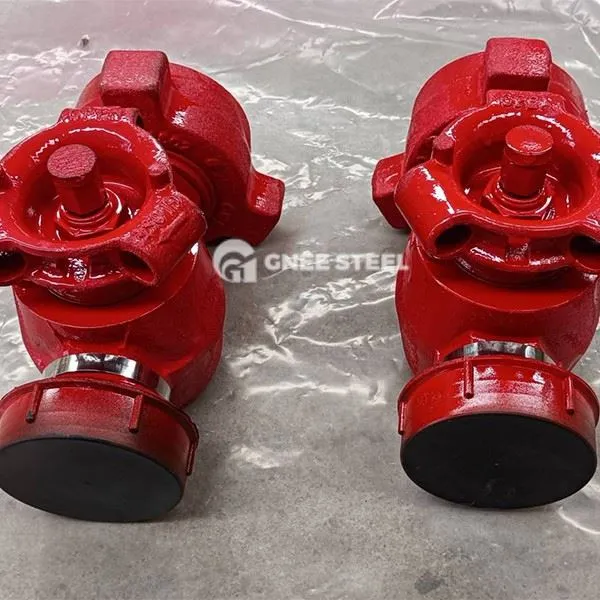
The main components of a plug valve typically include the body, which houses the plug; the plug itself, which controls the flow; the stem, which connects the plug to the actuator (such as a handwheel or an electric motor); and the packing, which provides a seal around the stem to prevent leakage.
Types of Plug Valves
There are several types of plug valves, each designed to meet specific requirements in different applications.
Lubricated Plug Valves
Lubricated plug valves use a special lubricant to reduce friction between the plug and the body, ensuring smooth operation and a tight seal. The lubricant also helps to protect the valve from corrosion and wear. These valves are commonly used in high - pressure and high - temperature applications, such as in the oil and gas industry.
Non - Lubricated Plug Valves
Non - lubricated plug valves rely on the material of the plug and the body to provide a seal. They are often made of materials like PTFE (polytetrafluoroethylene) or other polymers, which have low friction coefficients and good sealing properties. Non - lubricated plug valves are suitable for applications where the use of lubricants is not desirable, such as in food and beverage processing or pharmaceutical industries.
Tapered Plug Valve
Tapered plug valves have a conical plug that fits snugly into a tapered seat in the valve body. This design provides a better seal compared to cylindrical plug valves, especially in applications where a high - pressure drop is expected. Tapered plug valves are commonly used in pipelines carrying gases or liquids with high viscosity.
Expanding Plug Valve
Expanding plug valves have a unique design where the plug can be expanded to provide a tight seal against the valve body. This is achieved by using a mechanical or hydraulic mechanism to increase the diameter of the plug. Expanding plug valves are ideal for applications where a zero - leakage seal is required, such as in critical process pipelines.
High Pressure Plug Valve
High - pressure plug valves are specifically designed to withstand high pressures without leaking. They are often used in industries such as oil and gas exploration, chemical processing, and power generation. These valves are made of high - strength materials and have a robust design to ensure reliable operation under extreme conditions.
Working Principle
The working principle of a plug valve is relatively simple. When the valve is in the closed position, the solid part of the plug blocks the flow path in the pipeline. As the stem is rotated a quarter - turn (90 degrees), the passage in the plug aligns with the pipeline, allowing fluid to flow through. The valve can be easily opened or closed by turning the handwheel or operating the actuator.
In lubricated plug valves, the lubricant is injected into the space between the plug and the body through a lubricant injection fitting. The lubricant forms a thin film that reduces friction and provides a seal. In non - lubricated plug valves, the material of the plug and the body creates a self - sealing effect.
Applications of Plug Valves
Plug valves are widely used in various industries due to their simplicity, reliability, and ability to handle different types of fluids.
Oil and Gas Industry
In the oil and gas industry, plug valves are used in pipelines for transporting crude oil, natural gas, and refined products. They are suitable for both on - shore and off - shore applications, including wellheads, pipelines, and refineries. Lubricated plug valves are often preferred in high - pressure and high - temperature environments, while non - lubricated plug valves can be used in applications where cleanliness is important.
Chemical Industry
The chemical industry uses plug valves to control the flow of various chemicals, including acids, bases, and solvents. Plug valves made of corrosion - resistant materials such as stainless steel or PTFE - lined valves are commonly used to prevent chemical corrosion. These valves can handle a wide range of temperatures and pressures, making them suitable for different chemical processes.
Water and Wastewater Treatment
In water and wastewater treatment plants, plug valves are used to control the flow of water, sludge, and chemicals. Non - lubricated plug valves are often used in these applications to avoid contamination of the water supply. Plug valves can be used for isolating sections of pipelines, regulating flow rates, and controlling the discharge of treated water.
Food and Beverage Industry
The food and beverage industry requires valves that are hygienic and easy to clean. Non - lubricated plug valves made of food - grade materials such as stainless steel and PTFE are commonly used in this industry. They are used in processes such as filling, mixing, and bottling to control the flow of liquids and gases.
Advantages of Plug Valves
- Simple Design: Plug valves have a relatively simple design with fewer moving parts compared to other types of valves. This makes them easy to install, operate, and maintain.
- Quick Operation: A quarter - turn operation allows for rapid opening and closing of the valve, which is beneficial in applications where fast response times are required.
- Good Sealing Performance: Depending on the type of plug valve, they can provide a tight seal, preventing leakage of fluids. This is especially important in applications where safety and environmental protection are concerns.
- Versatility: Plug valves can handle a wide range of fluids, including liquids, gases, and slurries. They can also operate at different temperatures and pressures, making them suitable for various industrial applications.
Why Choose Our Plug Valves?
As a plug valve supplier, we take pride in offering high - quality plug valves that meet the diverse needs of our customers. Our valves are manufactured using the latest technology and high - quality materials to ensure reliability and durability.
We have a team of experienced engineers and technicians who can provide technical support and advice to help you select the right plug valve for your application. Whether you need a lubricated plug valve for a high - pressure oil pipeline or a non - lubricated plug valve for a food processing plant, we can offer a customized solution.
We also offer competitive pricing and excellent customer service. Our goal is to build long - term relationships with our customers by providing them with the best products and services.

If you are in the market for plug valves, we encourage you to contact us for a consultation. Our experts will be happy to discuss your requirements and provide you with a detailed quote. Let's work together to find the perfect plug valve solution for your industrial needs.
References
- Valve Handbook, 4th Edition, by J. S. T. Lovick
- Industrial Valves: Selection, Installation, and Maintenance, by A. S. P. Rao