


Lug Type Concentric Butterfly Valve: Complete Technical Guide, Specifications & Applications
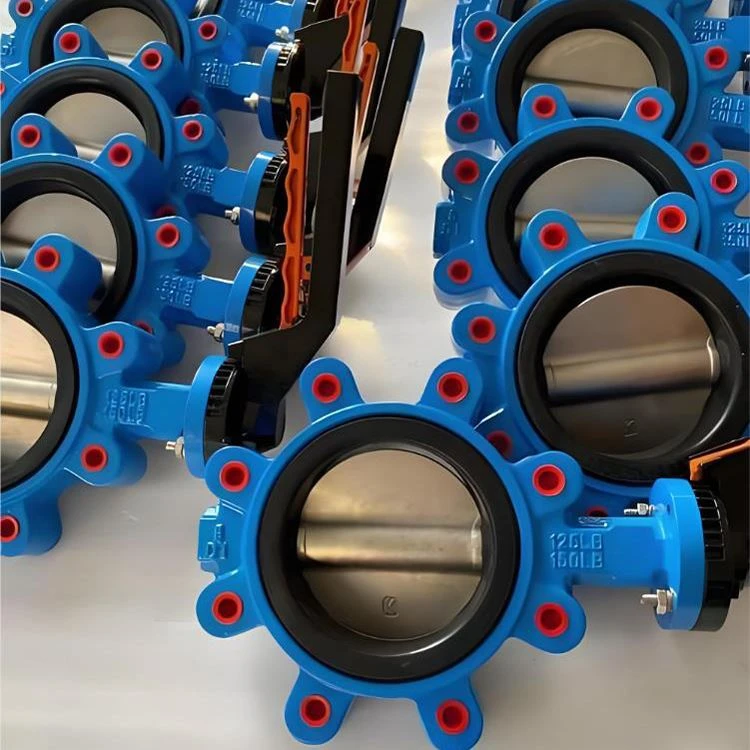
The lug type concentric butterfly valve is a widely used resilient-seated (soft-sealed) centerline butterfly valve, characterized by threaded lugs on the outer body and a concentric structure where the stem, disc, and seat share the same centerline. It achieves bi-directional bubble-tight sealing through the elastic deformation of rubber or polymer seat materials. Featuring a compact structure, easy maintenance and reliable sealing performance, it is the preferred flow control and isolation solution for water supply, HVAC, light industry and municipal engineering scenarios.
What is a Lug Type Concentric Butterfly Valve?
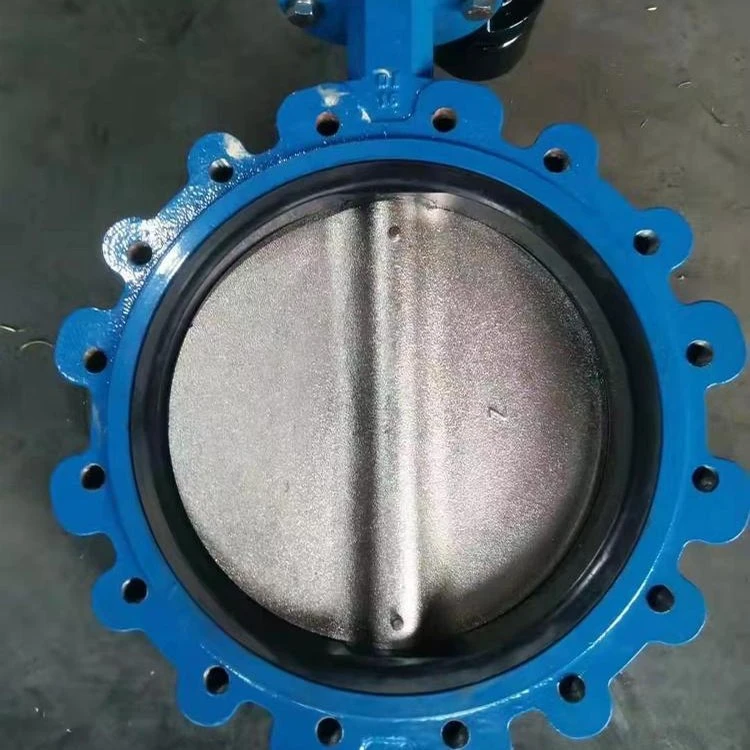
A lug type concentric butterfly valve belongs to the centerline soft-seal butterfly valve category. Its core structural feature is that the centerlines of the valve stem, disc and seat ring are completely coincident, and sealing is realized by the elastic compression of the resilient seat material when the disc is closed.
Unlike wafer-type butterfly valves, its valve body is designed with evenly distributed threaded lugs on the outer edge. During installation, the valve is clamped between two pipe flanges, and two independent sets of bolts are used on both sides of the valve. The bolts are directly threaded inserts without the need for full-length through bolts and matching nuts.
This structural design gives it unique application advantages: it can be used as an isolation valve for end-of-line service without a downstream flange; during maintenance, one side of the pipeline can be disassembled separately without disturbing the other end, significantly reducing maintenance downtime.
Core Design Features & Performance Advantages
- ISO 5211 Standard Top Flange & Square Stem: The top mounting flange complies with the ISO 5211 universal standard, matched with a square stem head, allowing direct mounting of pneumatic and electric actuators without additional adapter brackets, reducing installation costs and improving interchangeability.
- Anti-Blowout Stem Design: The stem is assembled from the inside of the valve body with a stepped structure. Even under sudden internal pressure rise, the stem cannot be pushed out of the valve body, ensuring operational safety in field applications.
- Stem Wiper Ring & Weather Seal: A dirt scraper (wiper ring) and NBR weather seal are installed at the top of the stem to prevent external dust, moisture and impurities from entering the stem bearing area, protecting internal components and extending service life.
- Multi-Standard Flange Compatibility: The lug hole positions adopt a universal design, compatible with mainstream global flange standards including EN 1092 PN10/PN16, ASME B16.5 Class 150, JIS B2239 5K/10K/16K, and BS 10 Table D/E, ensuring compatibility with a wide range of piping systems.
- Cartridge Seat Structure: The integrated cartridge seat design ensures excellent dimensional stability and sealing reliability, suitable for vacuum service when specified and properly configured.
- Concealed Stem-to-Disc Connection: The connection between the stem and disc adopts a built-in structure, with no exposed pins or bolts on the medium contact surface, minimizing potential leakage paths and avoiding corrosion and falling risks of connecting parts.
- Gasket-Free Flange Installation: The seat liner extends to both end faces of the valve body. During pipeline installation, the seat material itself acts as the sealing surface, eliminating the need for additional flange gaskets, reducing installation accessories and potential leakage points.
- Full-Pressure Bubble-Tight Shutoff: It achieves ISO 5208 Class VI zero-leakage (bubble-tight) sealing performance under the full rated working pressure of the valve, with reliable shutoff capability.
- Streamline Disc Design: The disc adopts a hydrodynamic streamline structure, with large flow capacity, low pressure drop (≤0.1bar when fully open), and high structural strength to resist water hammer and pressure surges.
- Reliable Stem Sealing System: The stem adopts a multi-stage sealing structure with O-ring sealed bottom plugs, minimizing the possibility of stem leakage along the stem.
- Self-Lubricating Bearings: Both upper and lower stem rotations are supported by graphite-filled RPTFE self-lubricating bearings, ensuring smooth operation, low operating torque and long service life.
Technical Specifications & Applicable Standards
Basic Technical Parameters
| Parameter | Specification |
|---|---|
| Nominal Size | 2" – 24" (DN50 – DN600) |
| Pressure Rating | PN10 / PN16 (10–16 bar), Class 150, JIS 5K / 10K |
| Temperature Range | -29°C to 150°C (varies by seat material, working pressure and medium properties) |
| Structure Type | Concentric (centerline), resilient seated |
| Connection Type | Lug type |
| Leakage Class | ISO 5208 Class VI (bubble-tight zero leakage) |
Design, Manufacturing & Testing Standards
- Design & Manufacturing Standards: API 609, MSS SP-67, BS 5155, EN 593 (where applicable)
- Inspection & Testing Standards: ISO 5208, BS EN 12266-1, API 598
- Flange Dimension Standards: ASME B16.5, EN 1092, JIS B2239, BS 10
- Optional Certifications: API 607 fire-safe(available for applicable configurations), WRAS/NSF 61 (potable water), FDA/3A (sanitary grade), CE/PED
Need API, CE or WRAS Certified Butterfly Valves? Contact Our Engineers Today.
Component Material Options
Material selection can be customized according to medium, pressure, temperature and corrosion requirements. The mainstream material configurations are as follows:
| Component | Available Materials | Typical Application |
|---|---|---|
| Valve Body | ASTM A536 65-45-12 ductile iron, ASTM A216 WCB carbon steel, CF8 (SS304), CF8M (SS316) | General water service, corrosive media, high pressure pipelines |
| Disc | Nylon-coated, CF8, CF8M, 2507 / 1.4462 duplex stainless steel | Wear resistance, seawater desalination, strong corrosive pipelines |
| Seat / Liner | EPDM, NBR (nitrile), FKM (Viton), PTFE | Water system, oil media, high temperature, strong chemical corrosion |
| Upper & Lower Stem | SS420, SS431 martensitic stainless steel | High strength, high torsional rigidity, wear resistance |
| Bearing | Graphite-reinforced RPTFE (self-lubricating) | Smooth operation, low torque, long service life |
| Retainer | Nylon (DN50–DN300), SS304 (DN350 and above) | Axial positioning of the stem |
Not Sure Which Lug Butterfly Valve Fits Your Project? Get Expert Selection Support Within 24 Hours.
Actuation Methods & Custom Configurations
Standard Actuation Options
- Manual Operation: Hand lever with 8 intermediate position locking and padlock tamper-proof function; worm gear reducer for large-diameter valves.
- Pneumatic Actuation: Double acting and single acting (spring return) types available, with optional ATEX explosion-proof certification, typical response time ≤ 10 seconds.
- Electric Actuation: Single-phase or three-phase power supply, with optional IP67 protection rating, supporting remote control and automatic control systems.
Customized Configurations
- Extended stem / long neck structure, suitable for buried pipelines and thermal insulation working conditions
- Limit switches, position transmitters and solenoid valve accessories
- Chain wheel operator for high-altitude installation scenarios
- Locking devices to prevent unauthorized operation
- API 607 compliant fire-safe design for special fire protection requirements
Typical Applications & Suitable Media
Suitable Media: Potable water, raw water, wastewater, seawater, air, gas, and other clean or slightly corrosive fluids.
Main Application Scenarios:
- Municipal water supply, drainage and water treatment engineering
- HVAC heating, ventilation and air conditioning systems of commercial buildings
- General light industrial process pipelines
- Vacuum system pipelines
- Seawater desalination and marine engineering pipelines
- Food and beverage production pipelines (with food-grade seat materials)
Request a Fast Quote for Your Lug Butterfly Valve Requirements.
Lug Type vs Wafer Type Concentric Butterfly Valves: Key Differences
| Comparison Item | Lug Type Concentric Butterfly Valve | Wafer Type Concentric Butterfly Valve |
|---|---|---|
| Connection Principle | Threaded lugs on the valve body, with independent bolt sets on both sides screwed into the lugs | Clamped between two flanges by full-length through bolts with nuts |
| End-of-Line Installation | Supported, can work as an end isolation valve without a downstream flange | Not supported, must be installed between two flanges |
| Maintenance Convenience | One pipeline side can be disassembled separately without affecting the other end | The whole valve must be removed when disassembling any pipeline end |
| Pressure Adaptability | Higher connection strength, provides more secure piping support and greater installation flexibility | Lower connection strength, mainly for low-pressure small and medium diameter pipelines |
| Comprehensive Cost | Relatively higher | More economical |
| Typical Scenarios | Pipelines requiring frequent maintenance, end-of-line isolation, vacuum systems | General HVAC and water supply pipelines with low maintenance frequency |
Butterfly valve workshop

Need a Custom Material, Seat or Actuator? Let's Build the Right Solution.
Frequently Asked Questions (FAQ)
1. What is the maximum working pressure of a lug type concentric butterfly valve?
The standard pressure ratings of lug type concentric butterfly valves are PN10, PN16 (10–16 bar) and ASME Class 150. The specific maximum working pressure(Refer to the manufacturer's pressure-temperature rating chart for the selected material configuration.) will decrease accordingly with the increase of medium temperature, subject to the pressure-temperature rating of the valve body material and seat material.
2. What temperature range is a lug type butterfly valve suitable for?
The conventional applicable temperature range is -29°C to 150°C, which mainly depends on the seat material. For example, EPDM is suitable for -20°C to 120°C, FKM can withstand up to 150°C or higher, and PTFE can adapt to wider temperature conditions. The actual working temperature should also be comprehensively evaluated in combination with working pressure and medium properties.
3. Can a lug type concentric butterfly valve be used in vacuum systems?
Yes. With the cartridge seat structure and reliable multi-stage sealing design, qualified lug type concentric butterfly valves can achieve stable sealing performance under full vacuum conditions, and are widely used in vacuum process pipelines.
4. Do I need to install additional flange gaskets for lug type butterfly valves?
Normally, no additional flange gaskets are required. The seat liner of the resilient-seated lug butterfly valve extends to both end faces of the valve body, and the elastic seat material itself can realize the sealing between the valve body and the pipe flange, reducing installation accessories and leakage points.
5. Is a lug type concentric butterfly valve bi-directional?
Yes. The concentric resilient-seated structure achieves reliable bi-directional sealing through the elastic deformation of the seat material, and can withstand medium pressure from both upstream and downstream directions, supporting bi-directional flow and shutoff service.
6. What is the difference between concentric and eccentric butterfly valves?
The stem, disc and seat of a concentric butterfly valve share the same centerline, with simple structure, low torque and good sealing performance, suitable for low and medium pressure clean media. Eccentric butterfly valves (single, double or triple offset) have offset centerlines, which reduce the friction between the disc and seat during opening and closing, with longer service life and higher pressure and temperature resistance, suitable for high pressure, high temperature and harsh working conditions.
7. How to choose the right seat material for a lug type butterfly valve?
Select the seat material according to the medium type, working temperature and corrosion requirements: EPDM is preferred for water systems and HVAC; NBR is suitable for oil-containing media; FKM is recommended for high temperature and strong corrosive media; PTFE is used for strong chemical corrosion conditions such as dilute acid and alkali.
Hot Tags: lug type concentric butterfly valve, China lug type concentric butterfly valve manufacturers, suppliers, factory, high performance double offset butterfly valve, import butterfly valve, import butterfly valves, mining butterfly valves, pressure resistant butterfly valve, pvc butterfly valve