


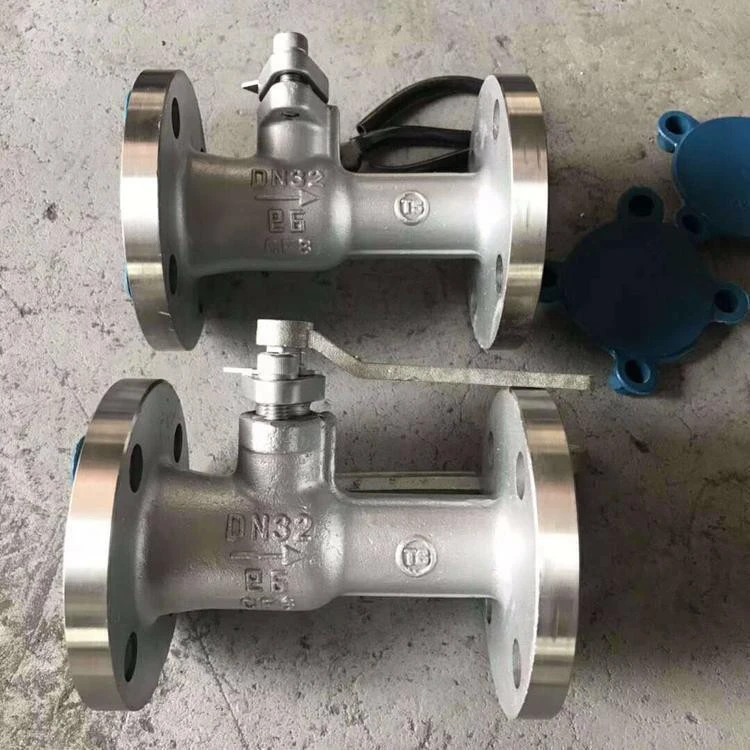
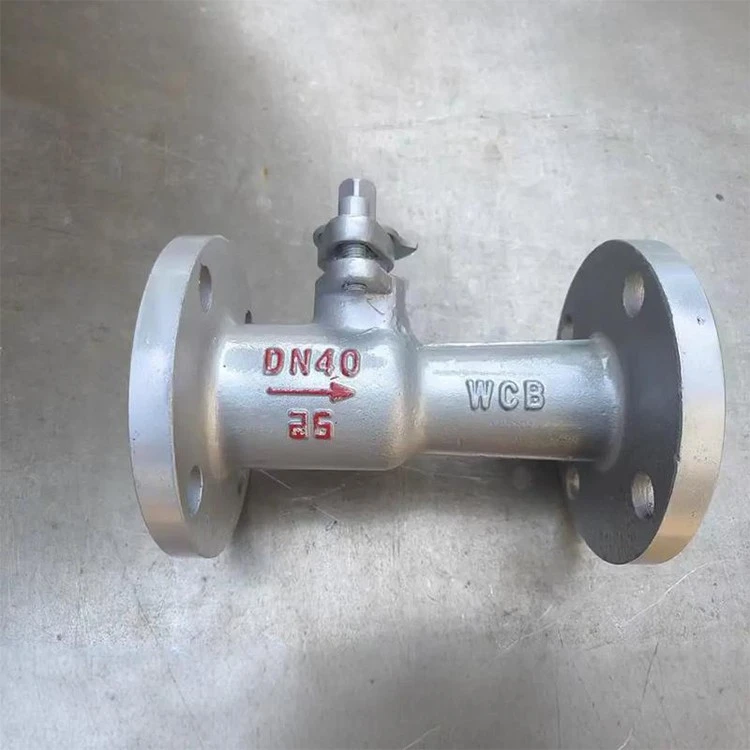
Integral High-Temperature Ball Valve is a specialized fluid control component engineered for extreme thermal cycling and high-pressure environments, featuring a one-piece (integral) cast or forged body that fundamentally eliminates the leakage risks associated with bolted joints or center flange gaskets found in split-body designs under intense thermal stress.
It utilizes a metal-to-metal hard sealing system, where the ball and seats are surface-hardened with Tungsten Carbide or Stellite alloys via high-velocity oxygen fuel (HVOF) spraying, achieving a surface hardness exceeding HRC 60 for exceptional erosion and wear resistance.
Capable of performing reliably at temperatures ranging from 425°C to 550°C (and up to 800°C with specialty alloys) in demanding media such as superheated steam, molten salts, or heavy oil catalysts, the valve incorporates Belleville spring-compensated seats to prevent ball jamming caused by thermal expansion across pressure ratings of Class 150 to 2500, making it a critical solution for achieving long-term, zero-leakage isolation in power generation and petrochemical applications.
Drawning of Integral High-Temperature Ball Valve

Technical Specifications
| Item | Specifications |
| Size Range | 1/2" - 12" (DN15 - DN300) |
| Pressure Rating | Class 150 - Class 2500 (PN16 - PN420) |
| Working Temperature | -29°C to 550°C (Up to 800°C with specialty alloys) |
| Body Material | WCB, CF8, CF8M, A105, F304, F316, F22, Cr-Mo Steel, Inconel |
| Ball/Seat Hardening | Tungsten Carbide, Stellite, Nitriding |
| Leakage Class | ANSI/FCI 70-2 Class V or Class VI (Zero Leakage) |
| Connection Type | Flanged (RF/RTJ), Butt-Weld (BW), Socket-Weld (SW) |
| Actuation | Manual, Pneumatic, Electric, Hydraulic |
Structural Components
Integral Body: A compact, one-piece structure that minimizes potential leak paths.
Hardened Ball: Precision ground and "lapped" to match its specific seat for a perfect seal.
Spring-loaded Floating Seat: A movable metal seat design that utilizes spring pressure for low-pressure sealing and medium pressure for high-pressure sealing.
Packing System: High-quality flexible graphite packing provides excellent high-temperature resistance and self-lubricating properties.
Anti-blowout Stem: Ensures the stem cannot be ejected from the body even under abnormal internal pressure spikes, protecting operators.
Technical Features
One-piece (Integral) Body Design: The valve body is manufactured from a single casting or forging without body flange bolts. This enhances structural rigidity and fundamentally eliminates the risk of external leakage caused by gasket failure or bolt loosening under extreme thermal stress.
Metal-to-Metal Sealing System: Designed for environments where soft seals fail. The ball and seat surfaces undergo specialized hardening (e.g., Tungsten Carbide or Nickel-based alloy spraying), reaching a hardness of HRC 60+. This provides exceptional resistance to erosion, high temperatures, and abrasive wear.
Thermal Expansion Compensation: The seats are typically backed by Belleville springs (disc springs). These provide a compensatory load as materials expand at high temperatures, preventing the ball from seizing or jamming and ensuring stable operating torque.
Extended Bonnet/Stem Design: To protect actuators (manual, pneumatic, or electric) from heat conduction, an extended neck is used to allow for insulation and heat dissipation.
Fire-safe & Anti-static Design: Compliant with API 607 standards, ensuring the valve remains reliable and maintains sealing integrity even in the event of a fire.
Applications
Petrochemical: Fluid Catalytic Cracking (FCC) units, Delayed Coking, heavy oil processing, and media containing solid particles.
Power Generation: Main steam systems, boiler drain systems, superheater vents, and high-pressure feedwater systems.
New Energy: Molten salt energy storage (Concentrated Solar Power), and silicon powder transport lines in polysilicon production.
Mining & Metallurgy: High-temperature alumina slurry (Bayer process) and blast furnace gas dust removal systems.
General Industry: Thermal oil circulation systems, high-temperature steam pipelines, and high-frequency thermal cycling applications.
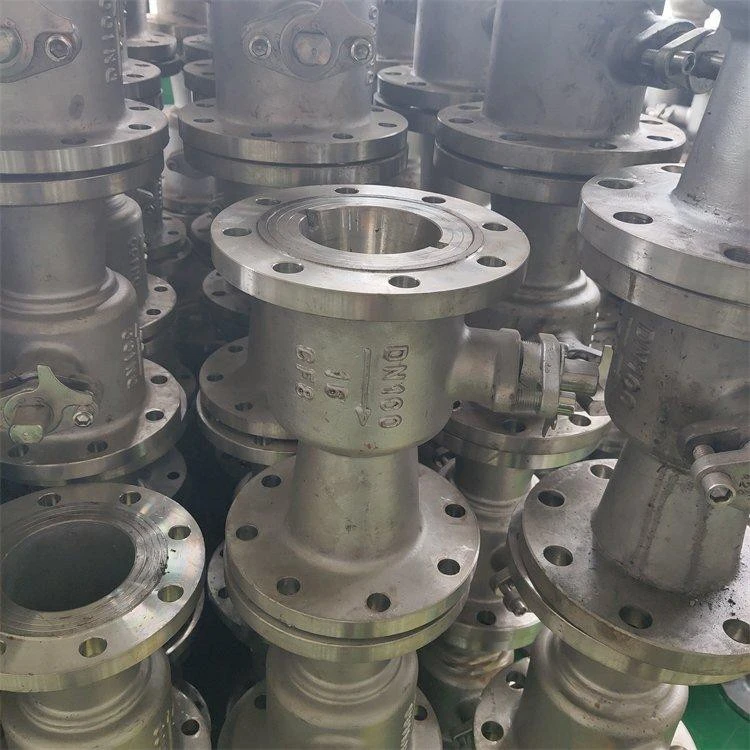
GNEE Bal valve workshop

FAQ
Can ball valves handle high temperatures?
Yes, but only if they are specifically designed with metal-to-metal seats.
Standard ball valves: Use soft seals (like PTFE/Teflon) and are usually limited to temperatures below 200°C (400°F).
High-temperature ball valves: Use hardened metal seats and heat-resistant alloys (like Stellite or Tungsten Carbide), allowing them to handle temperatures up to 550°C (1022°F) or even higher in specialty applications.
Can you overheat a ball valve?
Yes. Overheating a ball valve can lead to three major failures:
Seal Melting: In standard ball valves, soft seats (like PTFE/Teflon) will melt, warp, or degrade at high temperatures, causing the valve to leak internally.
Seizing (Jamming): Extreme heat causes thermal expansion. The ball may expand faster than the valve body, causing it to become tightly wedged (jammed) so it cannot be turned.
Stem Leakage: High heat can destroy the stem packing (the seals around the handle), leading to dangerous external leaks.
What is the lifespan of a ball valve?
The lifespan of a ball valve varies greatly depending on the environment, but generally:
Standard Service (Water/Gas): 8 to 15 years or more if operated correctly in clean environments.
Industrial/Industrial Service: 3 to 5 years for valves handling frequent cycles, high pressure, or high temperatures.
Severe Service (Abrasive/Corrosive): 6 months to 2 years if dealing with slurries, sand, or extreme chemicals.
Hot Tags: integral high-temperature ball valve, China integral high-temperature ball valve manufacturers, suppliers, factory, ball valve drawings, ball valve motorized valves, ball valve pressure relief valves, ball valve universal couplings, carbon steel ball valve, Multi port Ball Valves