

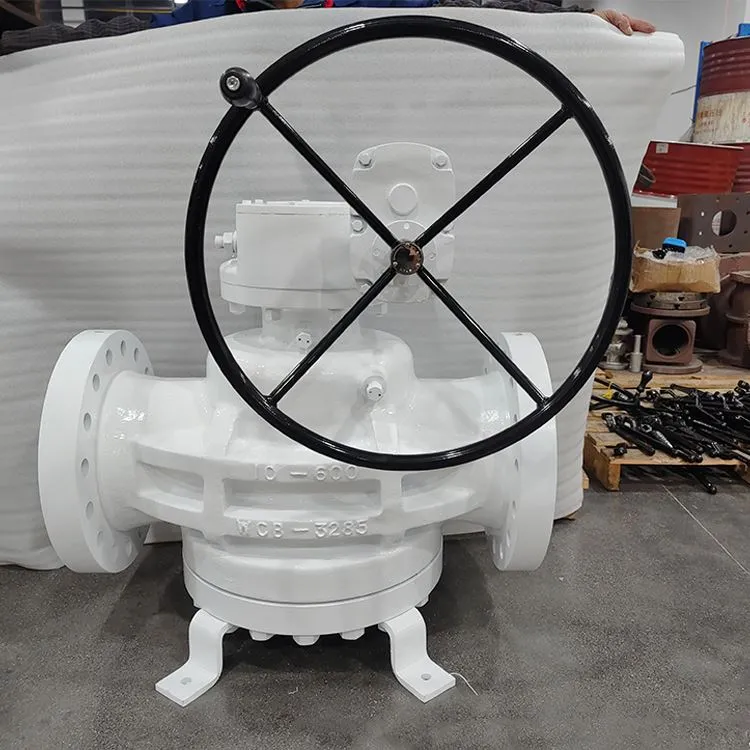


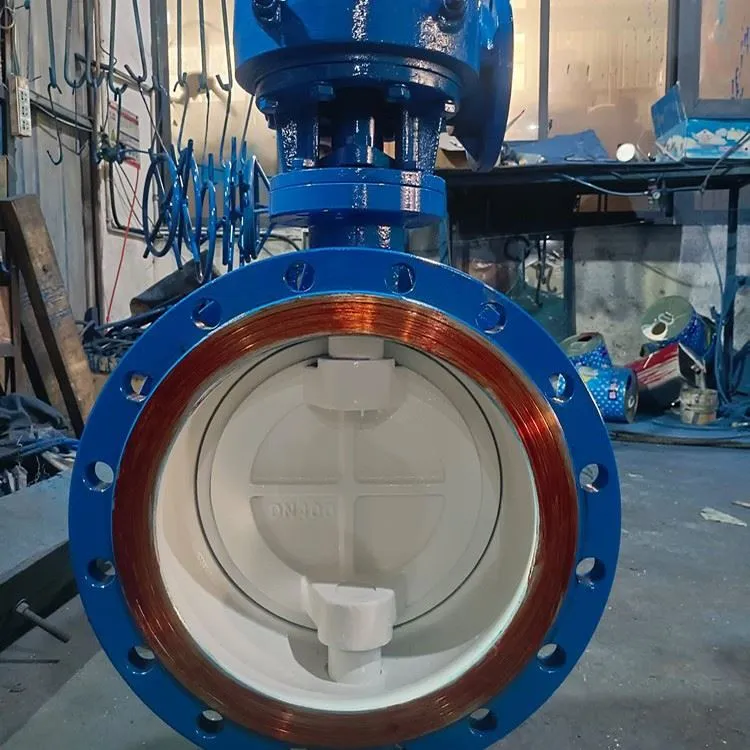
The A216 WCB RTJ Flanged Plug Valve is a heavy-duty, quarter-turn isolation valve designed for high-pressure and high-temperature industrial environments. It utilizes a tapered or cylindrical "plug" as the closing element. The RTJ (Ring Type Joint) flanges are the standout feature, utilizing a metal ring gasket that rests in a deep groove on the flange face, making it the preferred choice for extreme sealing integrity in Class 300 to Class 2500 systems.
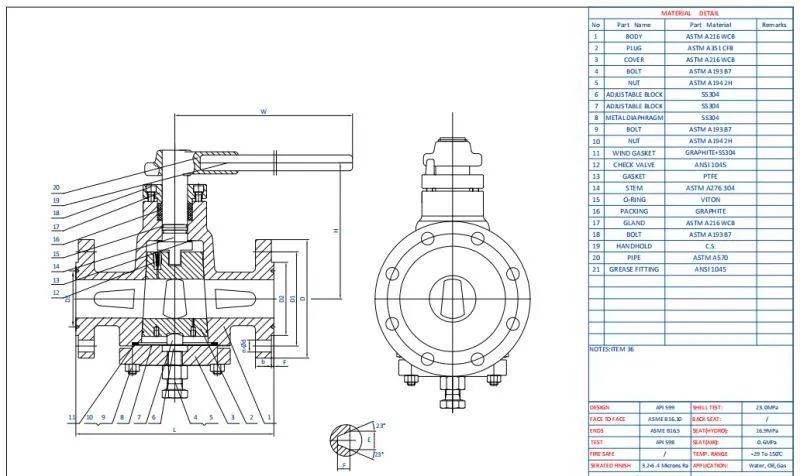
Drawning of RTJ Flanges Plug Valve - 2inche - 900LB - A216WCB
Technical Specifications
These specifications reflect industrial standards for high-pressure carbon steel plug valves.
| Item | Specification |
| Design Standard | API 599 / API 6D |
| Pressure Rating | Class 300, 600, 900, 1500, 2500 |
| Size Range | DN15 – DN600 (1/2" – 24") |
| Body Material | ASTM A216 WCB (Cast Carbon Steel) |
| Plug Material | ASTM A216 WCB + ENP (Electroless Nickel Plating) |
| Face-to-Face | ASME B16.10 |
| End Connection | RTJ Flanges (ASME B16.5) |
| Testing Standard | API 598 / API 6D |
| Operating Temp. | -29°C to 425°C |
Main Components
| Component | Description | Material (Typical) |
| Valve Body | The primary pressure-containing shell with integrated RTJ (Ring Type Joint) flanges. | ASTM A216 WCB |
| Plug | The tapered or cylindrical closing element. It features a port (hole) to allow flow. | A216 WCB + ENP (Nickel Plating) |
| Bonnet | Bolted to the body; it seals the upper cavity and supports the stem. | ASTM A216 WCB |
| Stem | Transfers torque from the operator to the plug. Usually features a blow-out proof design. | ASTM A276 410 or 304 SS |
| RTJ Gasket | A metal ring (Octagonal or Oval) that sits in the flange grooves to ensure a high-pressure seal. | Soft Iron / SS316 |
| Stem Packing | Provides a dynamic seal around the stem to prevent external leakage. | Flexible Graphite |
| Adjusting Bolt | Located on the bonnet; used to adjust the tightness/compression of the plug into the seat. | Alloy Steel |
| Lubricant Fitting | An external valve used to inject sealant/grease into the internal grooves. | Stainless Steel |
Characteristics
Extreme Pressure Integrity: The RTJ flange connection is designed for high-pressure service. As the bolts are tightened, the metal ring gasket is compressed into the groove, providing a gas-tight, metal-to-metal seal that outperforms standard RF (Raised Face) flanges.
Pressure Balanced Design: High-pressure models often use an "Inverted Pressure Balanced" plug. This prevents the plug from becoming wedged in the body under high pressure, ensuring a constant and manageable operating torque.
Self-Cleaning Action: The rotation of the plug against the seat wipes away scale and debris. This "scraping" action makes it ideal for slurries or media with suspended solids.
Full Bore / Low Pressure Drop: When fully open, the flow path is straight and unobstructed (Full Port), resulting in a flow coefficient (Cv) significantly higher than globe or gate valves.
Robust Seat Protection: Unlike ball valves where the seat is exposed to the flow when open, the plug valve's sealing surfaces are shielded from the media in the fully open position, reducing erosion.
Applications
Oil & Gas Transmission: High-pressure pipelines where the RTJ seal ensures zero leakage of hydrocarbons.
Petrochemical Refineries: Used in "Dirty" service where media contains catalysts or particulates that would damage ball valve seats.
High-Pressure Steam: RTJ flanges handle thermal expansion better than flat gaskets, preventing leaks during temperature cycling.
Slurry Pipelines: Mining or tailings applications where the scraping action of the plug maintains a clean seal.
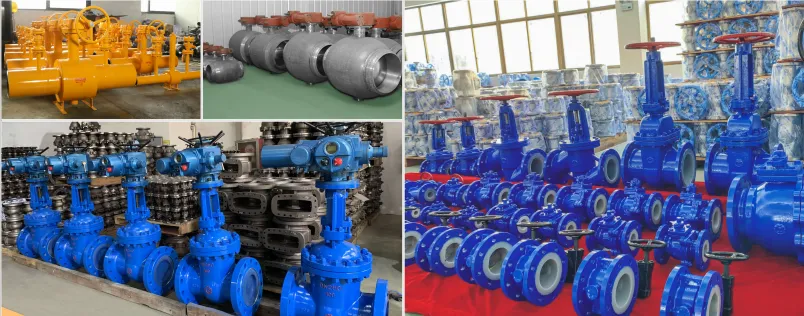
GNEE Valve workshop
FAQ
What is the meaning of A216 WCB?
A216 WCB is a common cast carbon steel material characterized by excellent machinability and weldability. Its primary constituents include elements such as carbon, silicon, and manganese; it is particularly well-suited for use within a temperature range of -29°C to 425°C, thereby meeting the requirements of most industrial environments.
What is the difference between A216 WCB and ASTM A105?
WCB is cast carbon steel, while A105 is forged carbon steel; both are used for valve bodies. Cast valve bodies may contain defects such as gas bubbles or sand inclusions, whereas forged bodies possess superior density, thereby minimizing such imperfections. Typically, WCB or WCC (which differ in carbon content) are utilized for valve bodies; however, in applications with more stringent requirements-such as temperature and pressure reducing stations-A105 is frequently employed, provided that the operating temperature does not exceed 427°C.
Why use a plug valve instead of a ball valve?
Choose a plug valve over a ball valve for abrasive or "dirty" media and high-pressure slurries.
The two main reasons are:
Self-Cleaning Action: The plug acts like a squeegee; as it rotates, it wipes the seat clean of debris. A ball valve would trap those particles, scratching the seat and causing leaks.
Seat Protection: In the fully open position, the plug valve's sealing surfaces are completely shielded from the flow. In a ball valve, the seats remain partially exposed to high-velocity erosion, leading to faster failure in harsh conditions.
Hot Tags: a216 wcb rtj flanges plug valve, China a216 wcb rtj flanges plug valve manufacturers, suppliers, factory, corrosion resistant plug valve, nitric acid plug valve, butt welded plug valve, fluorine plug valve, sodium hydroxide plug valve, leakproof plug valve