

Can disc check valves be used in vacuum applications? This is a question that often arises among engineers, technicians, and professionals involved in industries where vacuum systems are prevalent. As a supplier of disc check valves, I am frequently asked about the suitability of our products for such applications. In this blog post, I will delve into the technical aspects of disc check valves and their compatibility with vacuum environments.
Understanding Disc Check Valves
Before we discuss their use in vacuum applications, let's first understand what disc check valves are. Disc check valves are a type of one - way valve that allows fluid (either liquid or gas) to flow in one direction and prevents backflow. They typically consist of a disc that is free to move within the valve body. When the fluid flows in the forward direction, the pressure of the fluid pushes the disc open, allowing the flow. When the flow stops or reverses, the disc closes under its own weight or due to the reverse pressure, preventing backflow.
There are different types of disc check valves, including swing check valves and tilting disc check valves. Swing check valves have a disc that pivots on a hinge, while tilting disc check valves have a disc that tilts to open and close. These valves are commonly used in a wide range of industries, such as water treatment, oil and gas, and chemical processing.
Requirements for Vacuum Applications
Vacuum applications involve systems where the pressure is below atmospheric pressure. In these systems, it is crucial to prevent the ingress of air or other gases into the vacuum chamber, as this can affect the performance and integrity of the process. The valves used in vacuum applications need to have a high level of sealing performance to maintain the vacuum. They also need to be able to operate reliably under low - pressure conditions.
Some of the key requirements for valves in vacuum applications include:
- Low Leakage Rate: A low leakage rate is essential to maintain the vacuum level. Even a small amount of leakage can cause the vacuum to degrade over time.
- Fast Closing Time: In the event of a pressure reversal, the valve should close quickly to prevent backflow.
- Compatibility with Vacuum Conditions: The valve materials should be compatible with the vacuum environment, including resistance to outgassing (the release of gas from the material).
Can Disc Check Valves Meet the Requirements?
Now, let's address the question of whether disc check valves can be used in vacuum applications. The answer is yes, but with some considerations.
Sealing Performance
One of the main concerns in vacuum applications is the sealing performance of the valve. Disc check valves can provide good sealing when properly designed and maintained. The disc and the seat of the valve need to be machined to a high precision to ensure a tight seal. Additionally, the choice of materials for the disc and the seat is crucial. For example, elastomeric seals can be used to enhance the sealing performance, but they need to be compatible with the vacuum environment and the fluid being handled.
Closing Time
Disc check valves can close relatively quickly, especially in applications where the flow velocity is high. However, in some vacuum applications, the flow velocities may be low, and the disc may not close as rapidly. To address this issue, some disc check valves are designed with features such as springs or weights to assist in the closing process. These additional components can help to ensure that the valve closes quickly, even under low - flow conditions.
Compatibility with Vacuum Conditions
The materials used in disc check valves need to be carefully selected for vacuum applications. Metals such as stainless steel are commonly used due to their low outgassing properties and corrosion resistance. Elastomers, if used, should be specifically designed for vacuum use to minimize outgassing.
Advantages of Using Disc Check Valves in Vacuum Applications
There are several advantages to using disc check valves in vacuum applications:
- Simple Design: Disc check valves have a relatively simple design, which makes them easy to install, maintain, and repair.
- Cost - Effective: Compared to some other types of valves used in vacuum applications, disc check valves can be more cost - effective.
- Versatility: They can be used in a wide range of vacuum applications, from small laboratory setups to large industrial systems.
Limitations and Considerations
Despite their advantages, there are also some limitations and considerations when using disc check valves in vacuum applications:
- Low - Pressure Operation: In very low - pressure vacuum applications, the disc may not open fully due to the lack of sufficient pressure differential. This can result in reduced flow capacity.
- Particle Sensitivity: Disc check valves can be sensitive to particles in the fluid. Particles can get trapped between the disc and the seat, causing leakage or preventing the valve from closing properly.
Applications in Different Industries
Disc check valves are used in various vacuum - related applications across different industries:
- Semiconductor Manufacturing: In semiconductor manufacturing, vacuum systems are used for processes such as chemical vapor deposition and etching. Disc check valves can be used to prevent the backflow of gases and maintain the vacuum in these systems.
- Vacuum Packaging: In the food and pharmaceutical industries, vacuum packaging is used to extend the shelf life of products. Disc check valves can be used in the vacuum packaging machines to control the flow of air and maintain the vacuum in the packaging.
- Laboratory Research: In laboratory settings, vacuum systems are used for a variety of experiments. Disc check valves can be used to isolate different parts of the vacuum system and prevent contamination.
Our Product Offerings
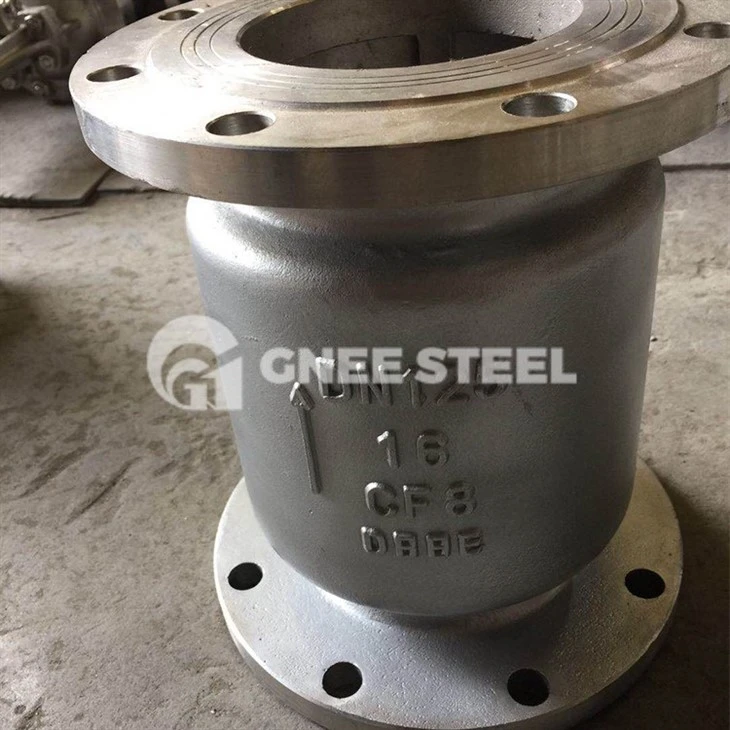
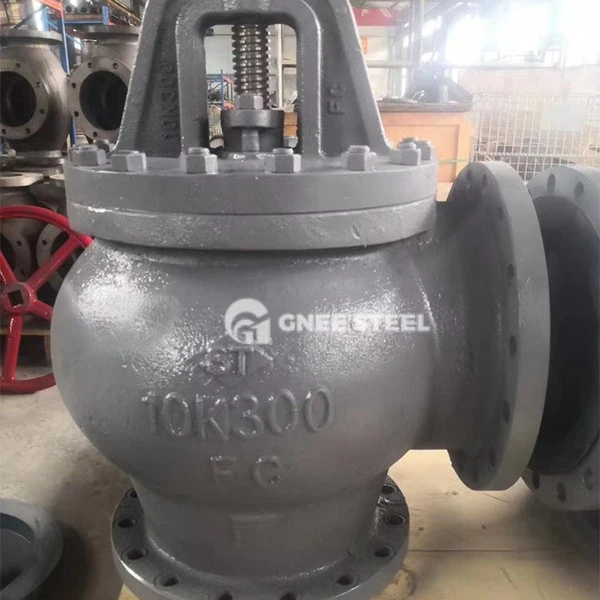
As a supplier of disc check valves, we offer a wide range of products suitable for vacuum applications. Our Marine Check Valve is designed to provide reliable performance in marine - related vacuum systems, such as bilge pumping and ballast water management. Our Stainless Steel Check Valve is made from high - quality stainless steel, which is ideal for vacuum applications due to its low outgassing properties and corrosion resistance. We also offer Stainless Steel Lift Check Valve, which provides excellent sealing performance and can be used in high - vacuum applications.
Contact Us for Your Vacuum Application Needs
If you are looking for disc check valves for your vacuum applications, we are here to help. Our team of experts can assist you in selecting the right valve for your specific requirements. We can provide technical support, installation guidance, and after - sales service. Whether you are working on a small - scale laboratory project or a large industrial vacuum system, we have the products and expertise to meet your needs. Contact us today to start a discussion about your valve requirements and explore the possibilities of using our disc check valves in your vacuum applications.
References
- ASME B16.34 - Valves - Flanged, Threaded, and Welded End
- ISO 5208 - Industrial valves - Pressure testing of valves
- API 594 - Check Valves - Flanged, Lug, Wafer, and Butt - Welding
- Vacuum Technology Handbook, edited by Peter K. Baumann